Listed Chronologically - click to view
Grouped by Type - click to view
Lesson Directory
Click on the images below to access that lesson directly
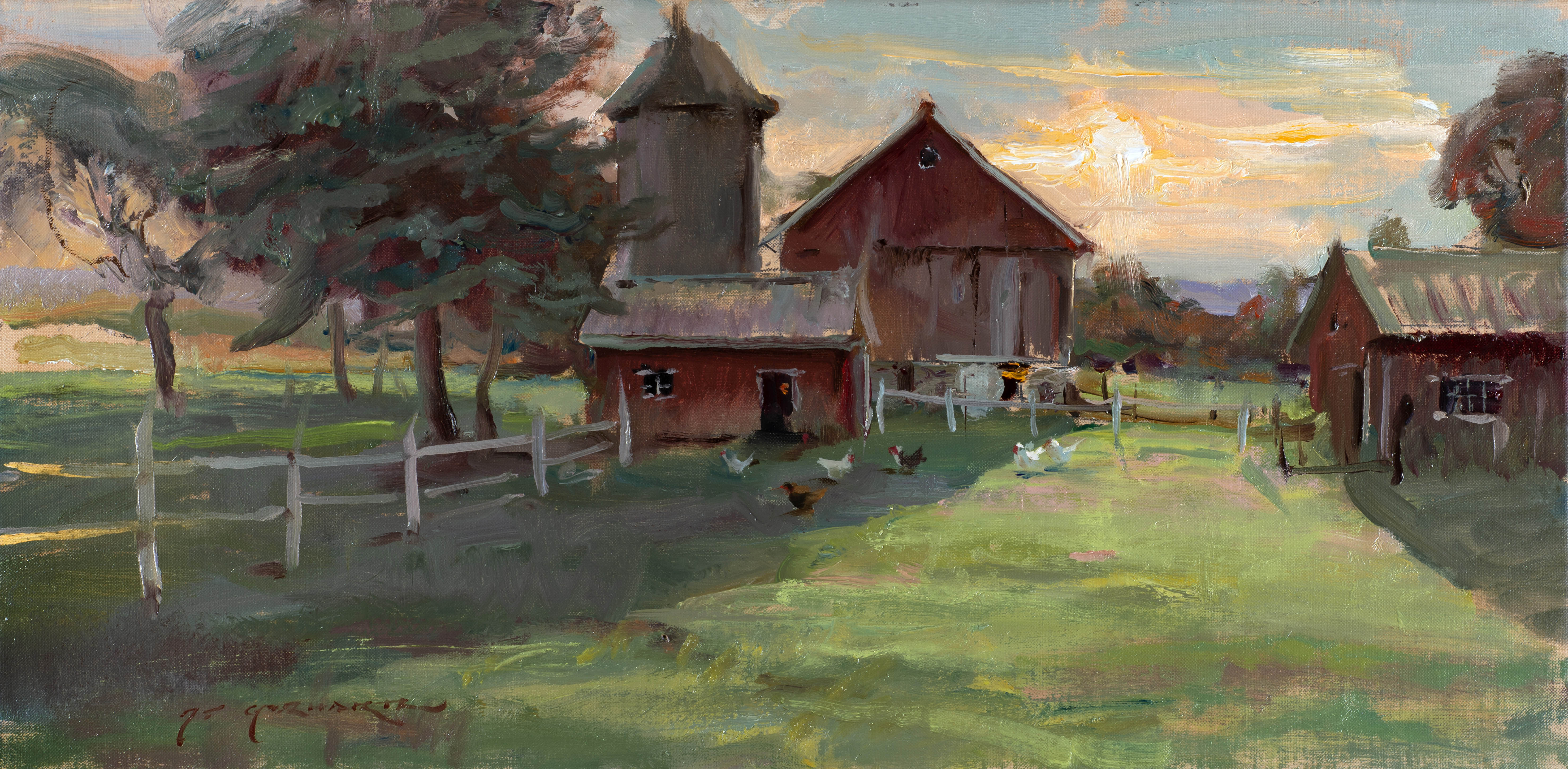
September 2026 — Preserving the Past: A Plein Air Landscape
In this lesson, I paint a historic farm on location while exploring how a deeper connection to our subject can sustain our enthusiasm and inspire the work. Working outdoors, I demonstrate how to respond to changing light while focusing on strong value control, purposeful edges, and color temperature. Then, back in the studio, I assess the plein air study and demonstrate how to continue working on a dry painting, making thoughtful adjustments while preserving the freshness and spontaneity that painting from life can bring.
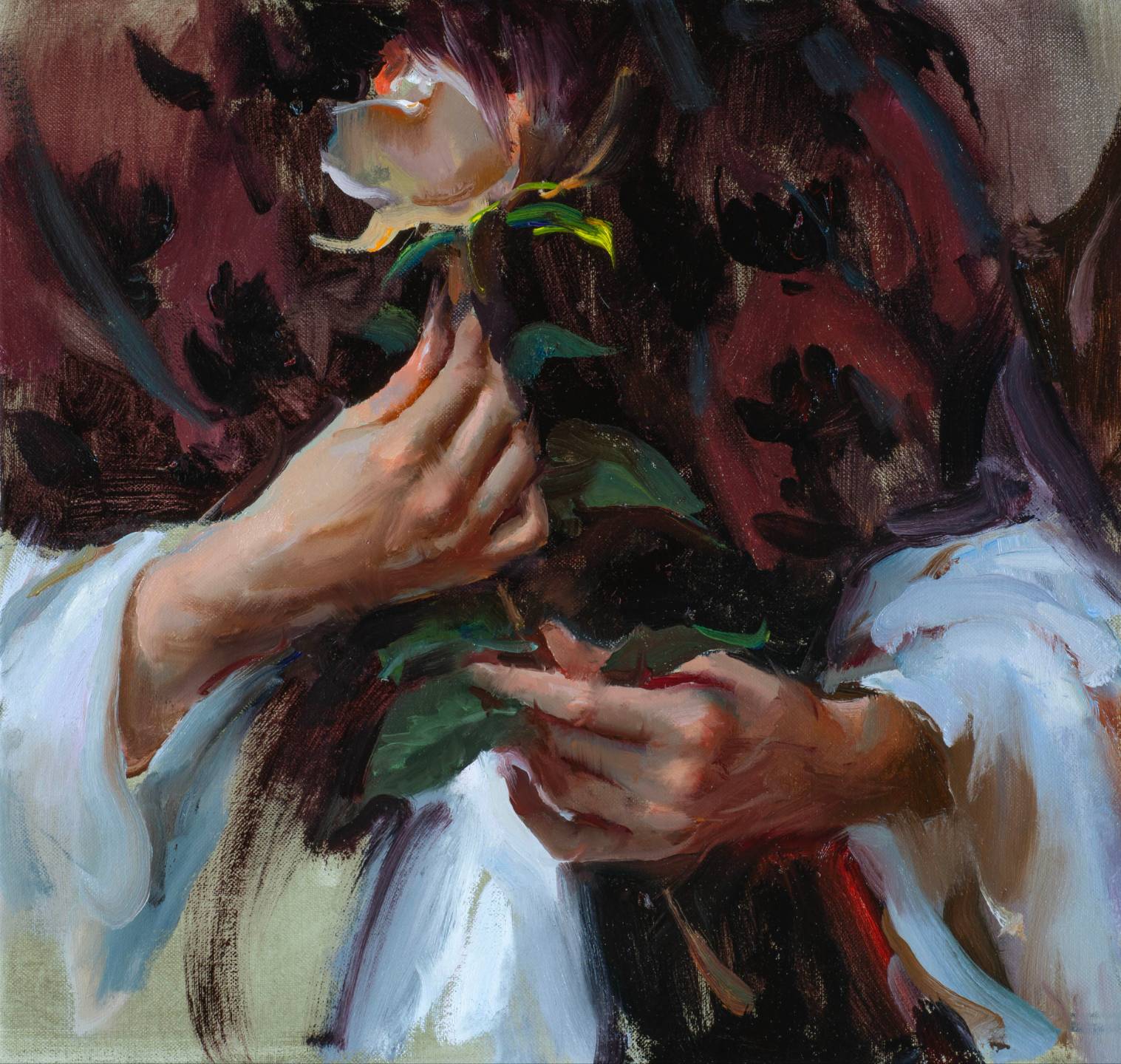
August 2026 — Painting Hands: It is All About the Abstract
Hands become much easier to paint when you simplify them into basic geometric shapes and focus on overall design, light, and value rather than individual fingers. By squinting to maintain clear value relationships, keeping darks warm, and prioritizing large forms over detail, you can create more expressive and convincing results.
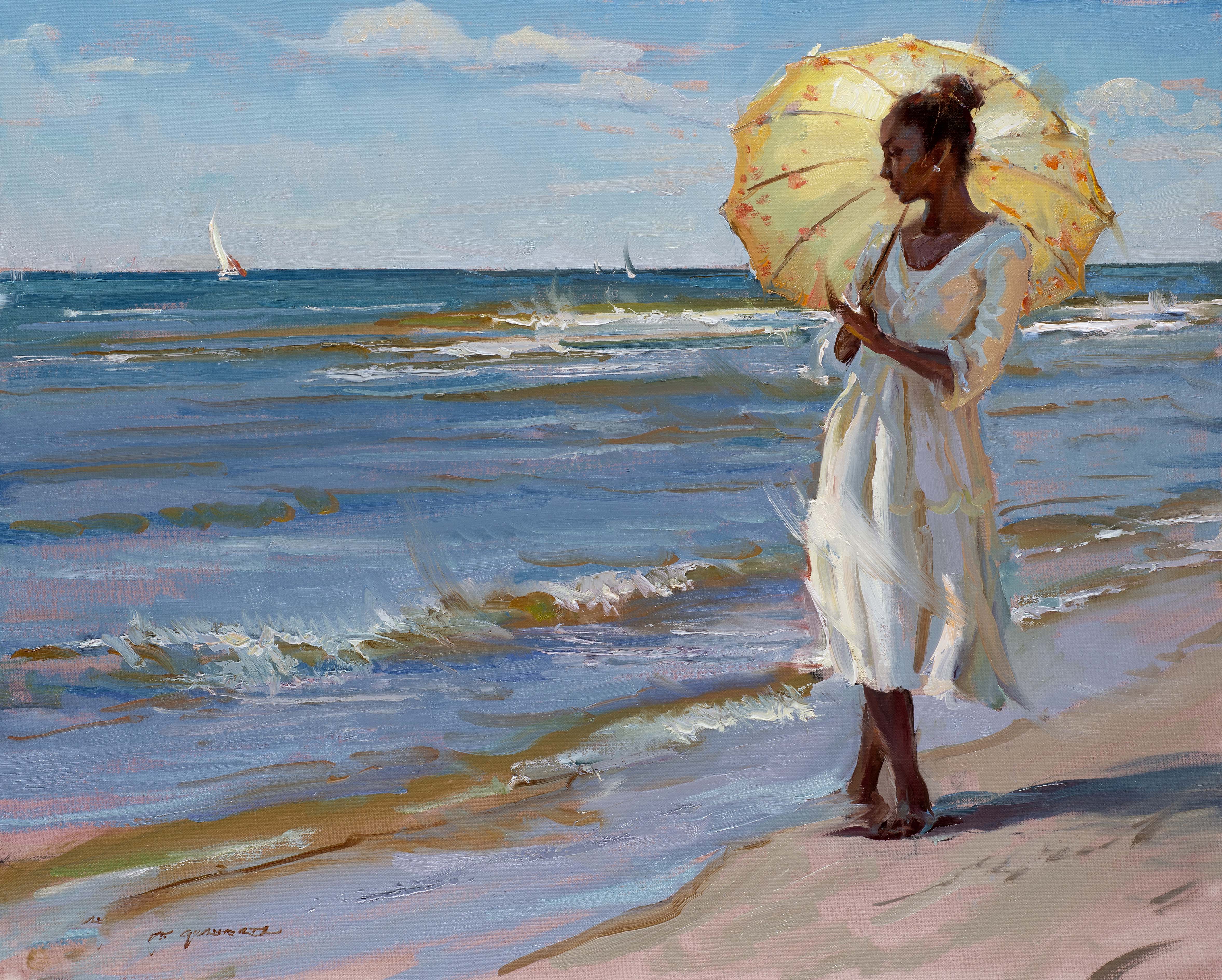
July 2026 — The Language of Water: Rhythm, Light, and Form
In this lesson, I'm excited to share my approach to capturing the beauty, rhythm, and light of both water and the figure en plein air. To help you follow the entire creative process, I've created three videos, the plein air field sketch, the studio painting main lesson, and the finishing touches recording.
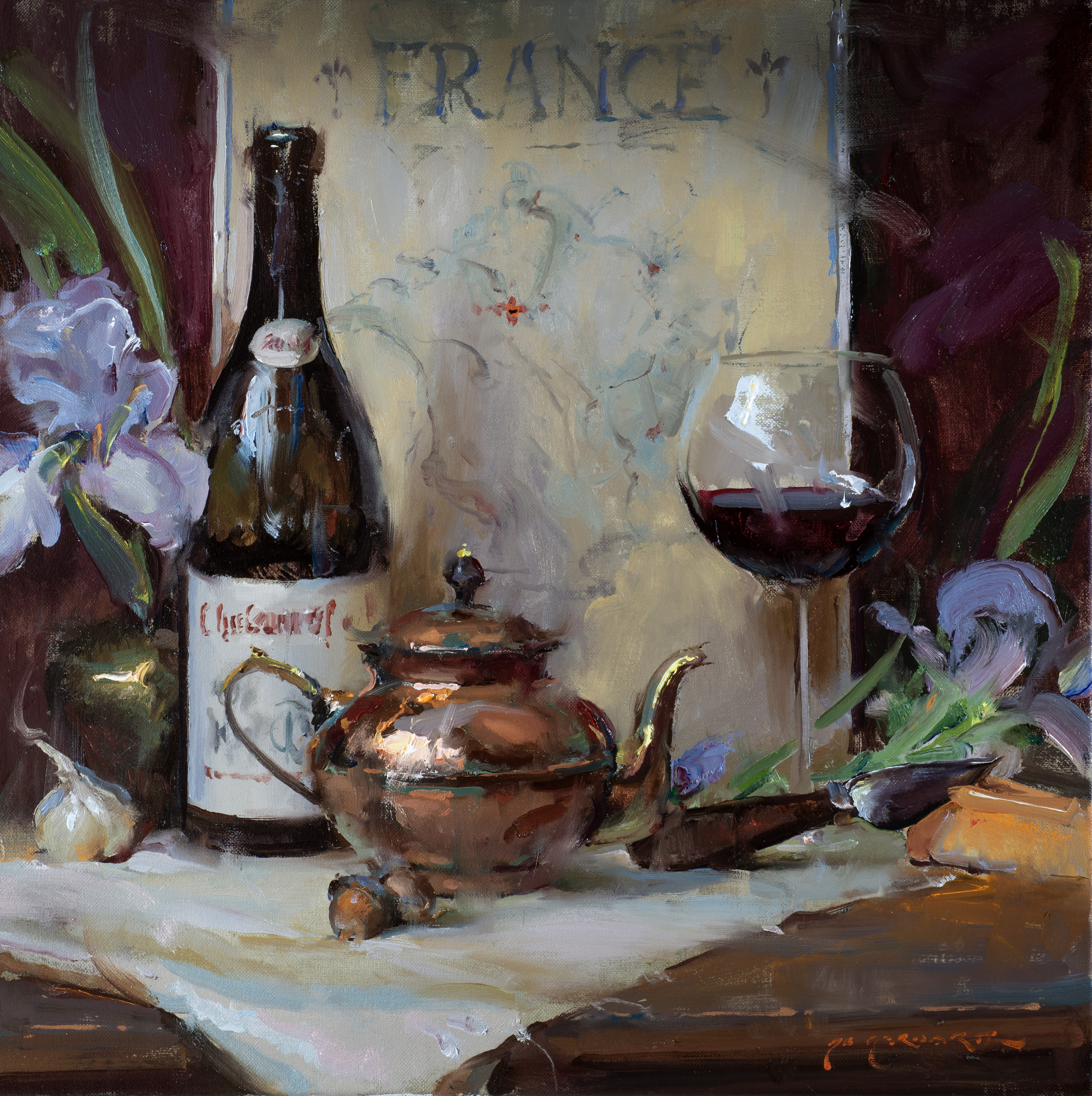
June 2026 - Painting Metal and Glass: Finding the Form Within the Reflection
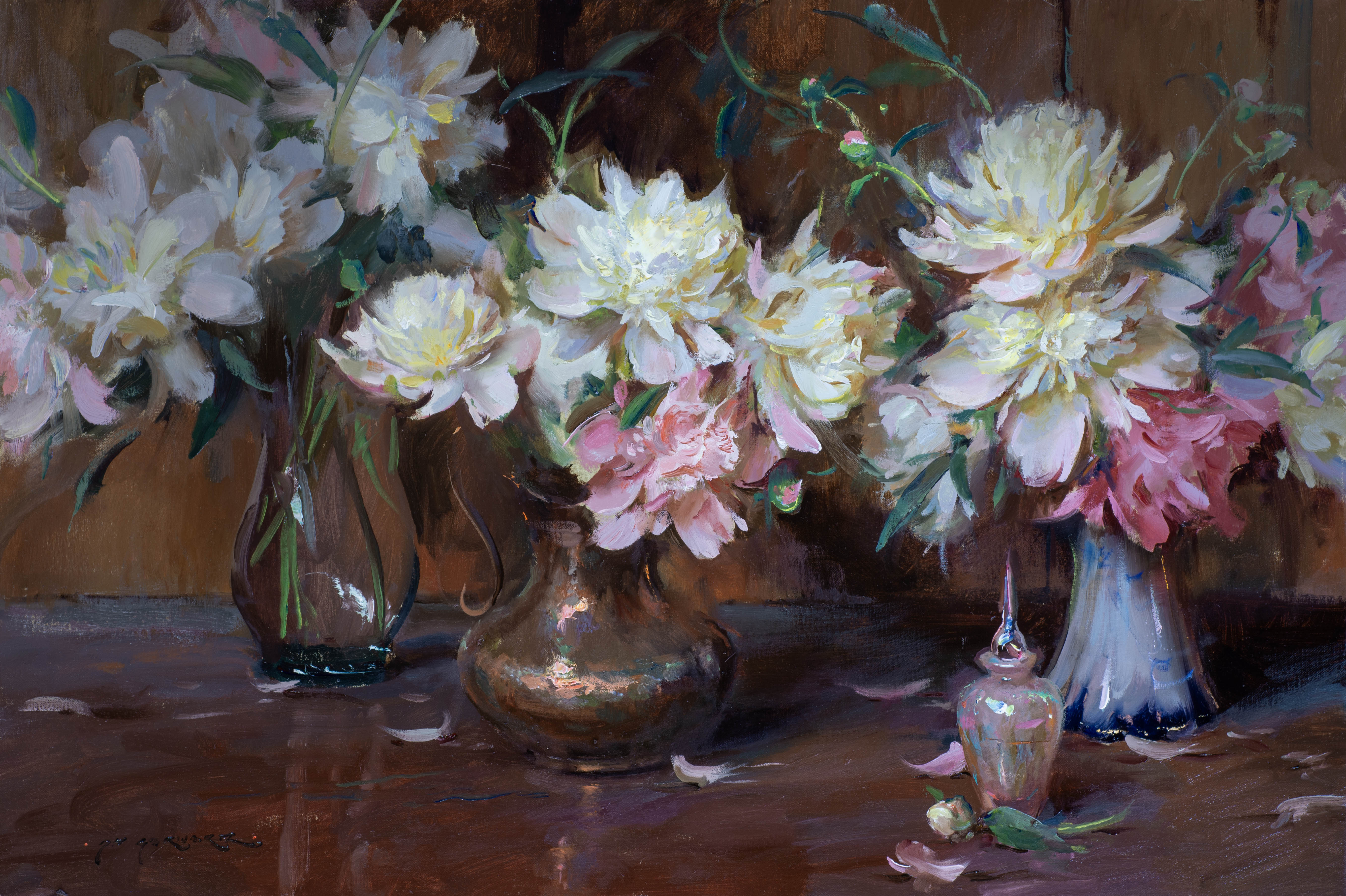
This lesson explores the allure of painting reflective surfaces like glass and copper, while emphasizing the importance of prioritizing simple, solid form over chasing highlights and sparkle.
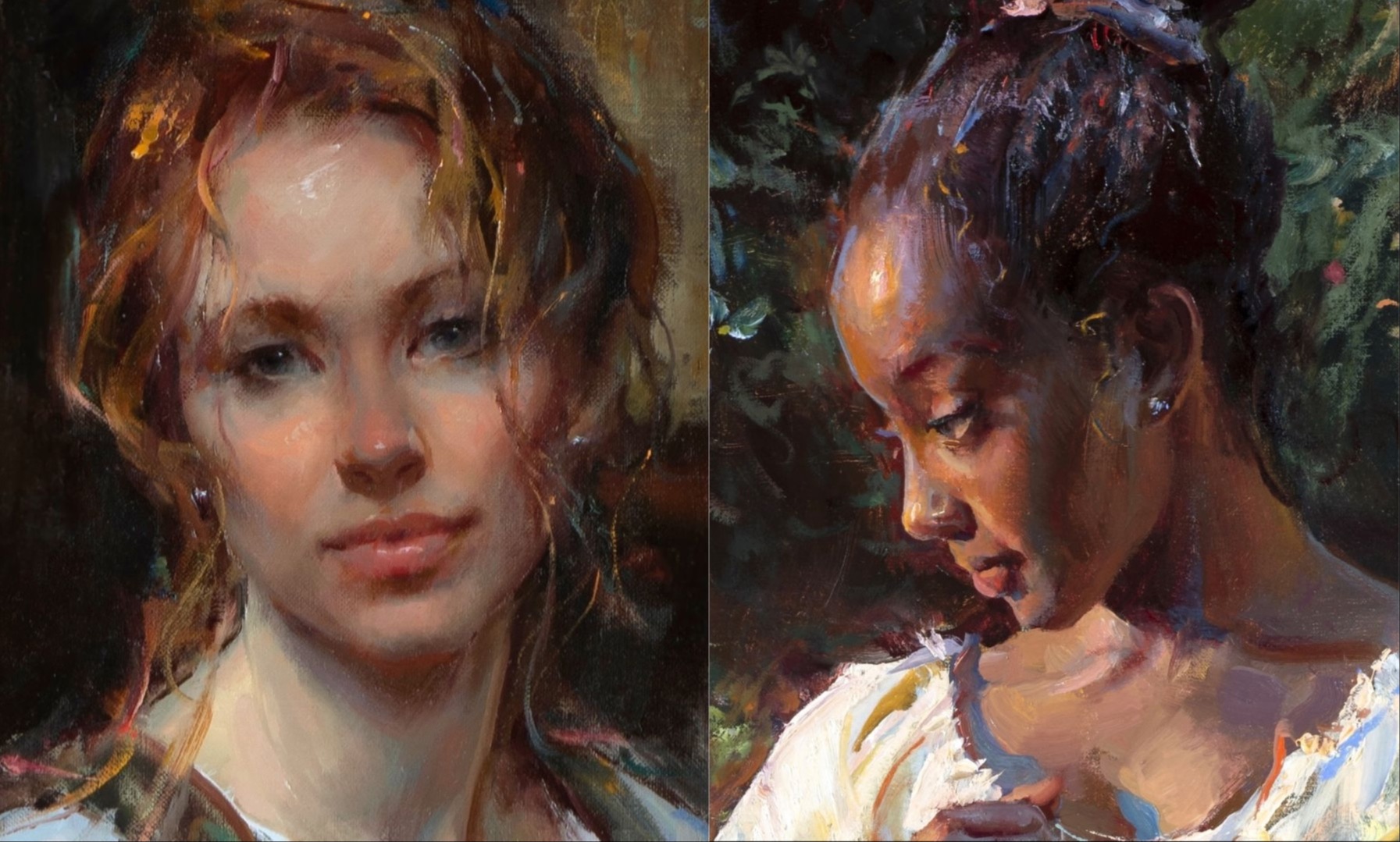
May 2026 — The Consistent Behavior of Light: How to Successfully Mix a Variety of Skin Tones
This lesson explores how understanding the consistent patterns of light, temperature, and value—rather than relying on formulas—can help you mix more lifelike skin tones and deepen your ability to truly see and express the figure.
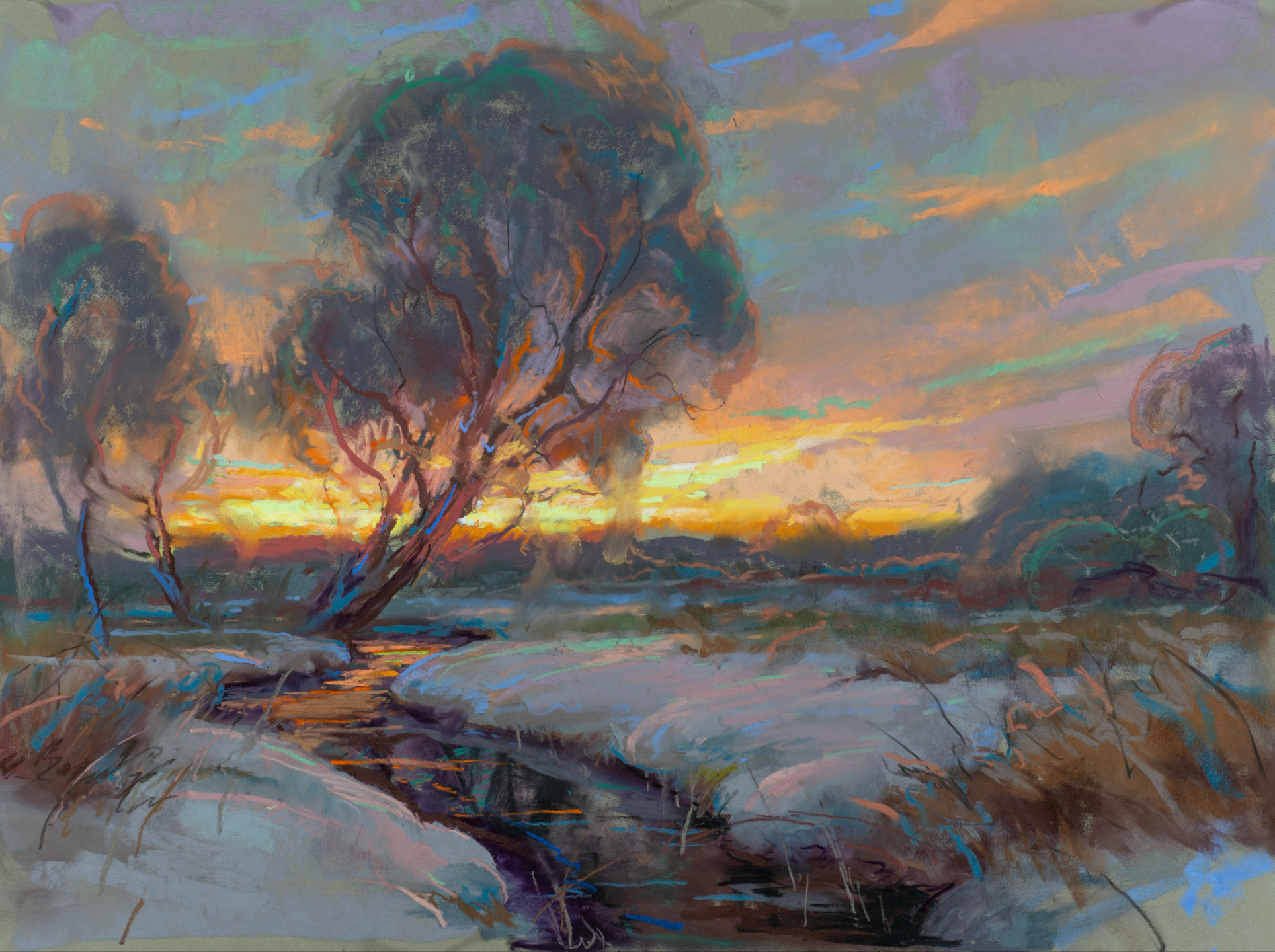
April 2026 — A Tranquil Morning: Capturing Light with Pastel
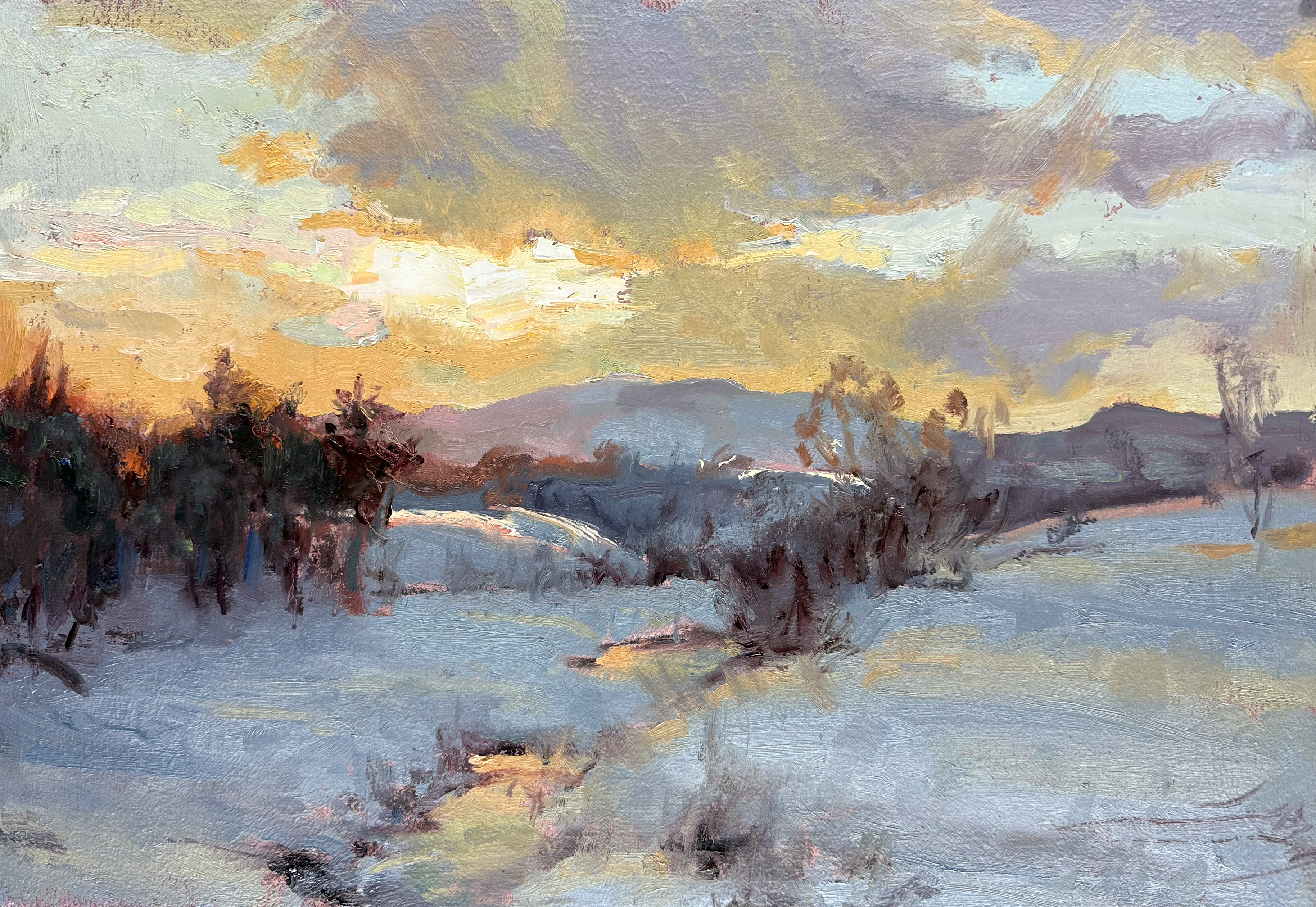
This lesson shares my approach to creating a pastel snow scene at sunrise, demonstrating how strong value relationships, thoughtful design, and expressive use of edges and color can bring vitality to a painting across any medium.
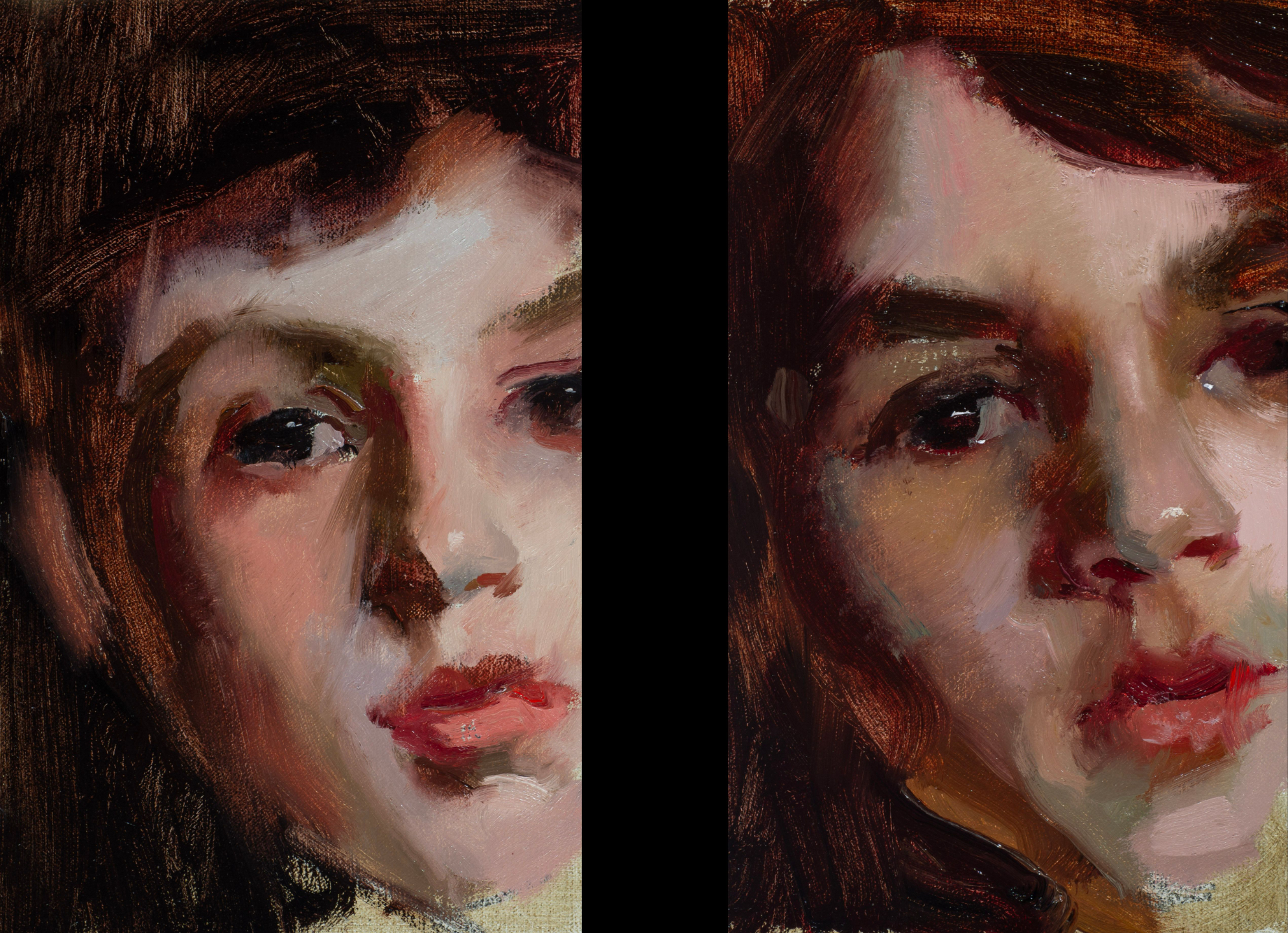
March 2026 — The Art of Simplifying: Finding What Matters Most
This lesson demonstrates how moving beyond copying the masters to applying their principles in your own work helps deepen understanding and transform study into a lasting part of your personal artistic language.
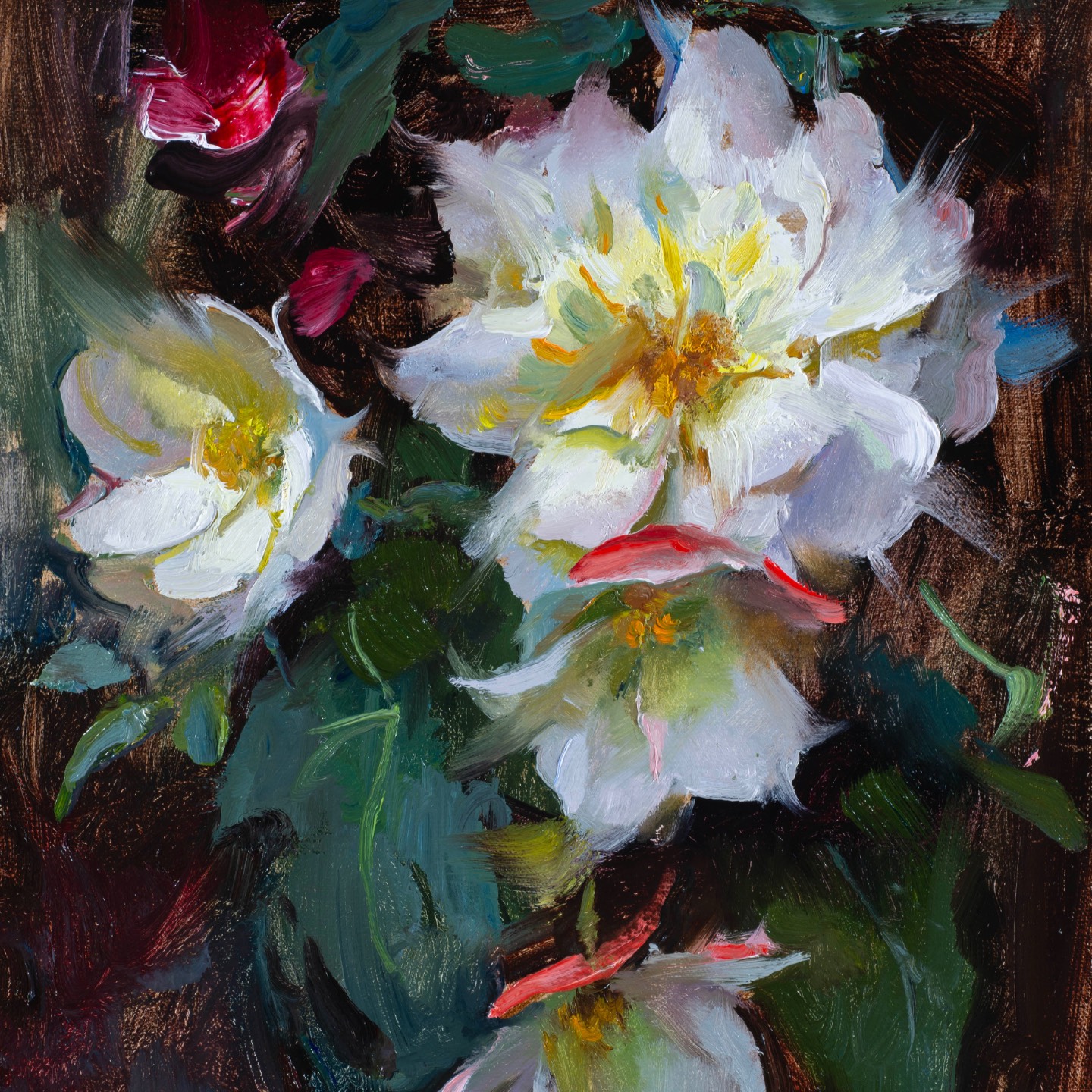
February 2026 — Passageways: A Poetic Approach to Handling Edges
Passageways use expressive edge handling to guide the viewer’s eye through a painting. By observing edges, then intuitively softening, breaking, and connecting forms, artists create a fluid, poetic visual journey—balancing structure with personal expression.
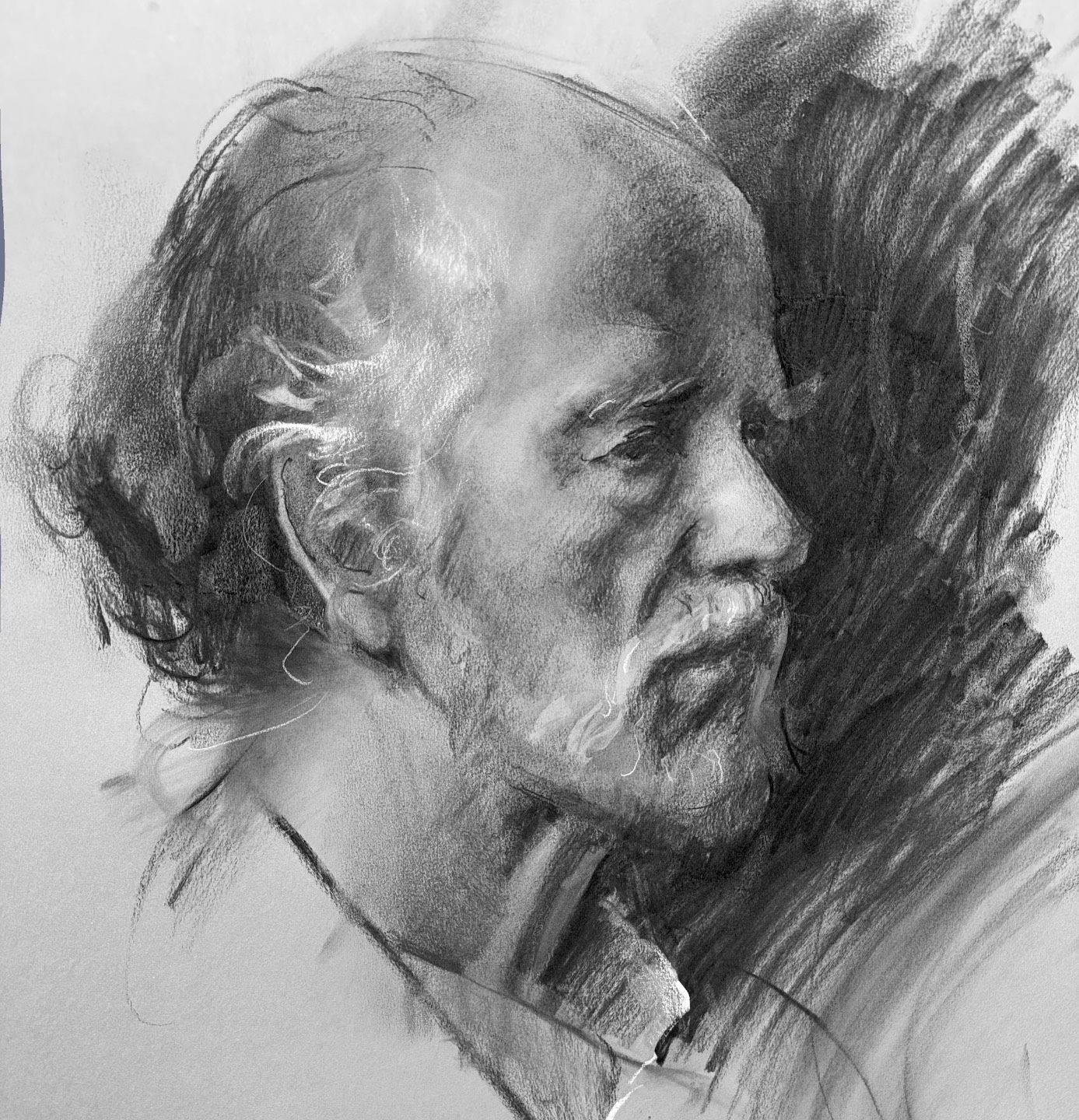
January 2026 — The Key To Drawing: Understanding the Simple Forms
This lesson demonstrates the fundamentals of strong head construction, focusing on simplifying the face into basic forms, unifying light and shadow, and using clear edges, accurate measurement, and intentional mark-making to create a believable, powerful portrait.

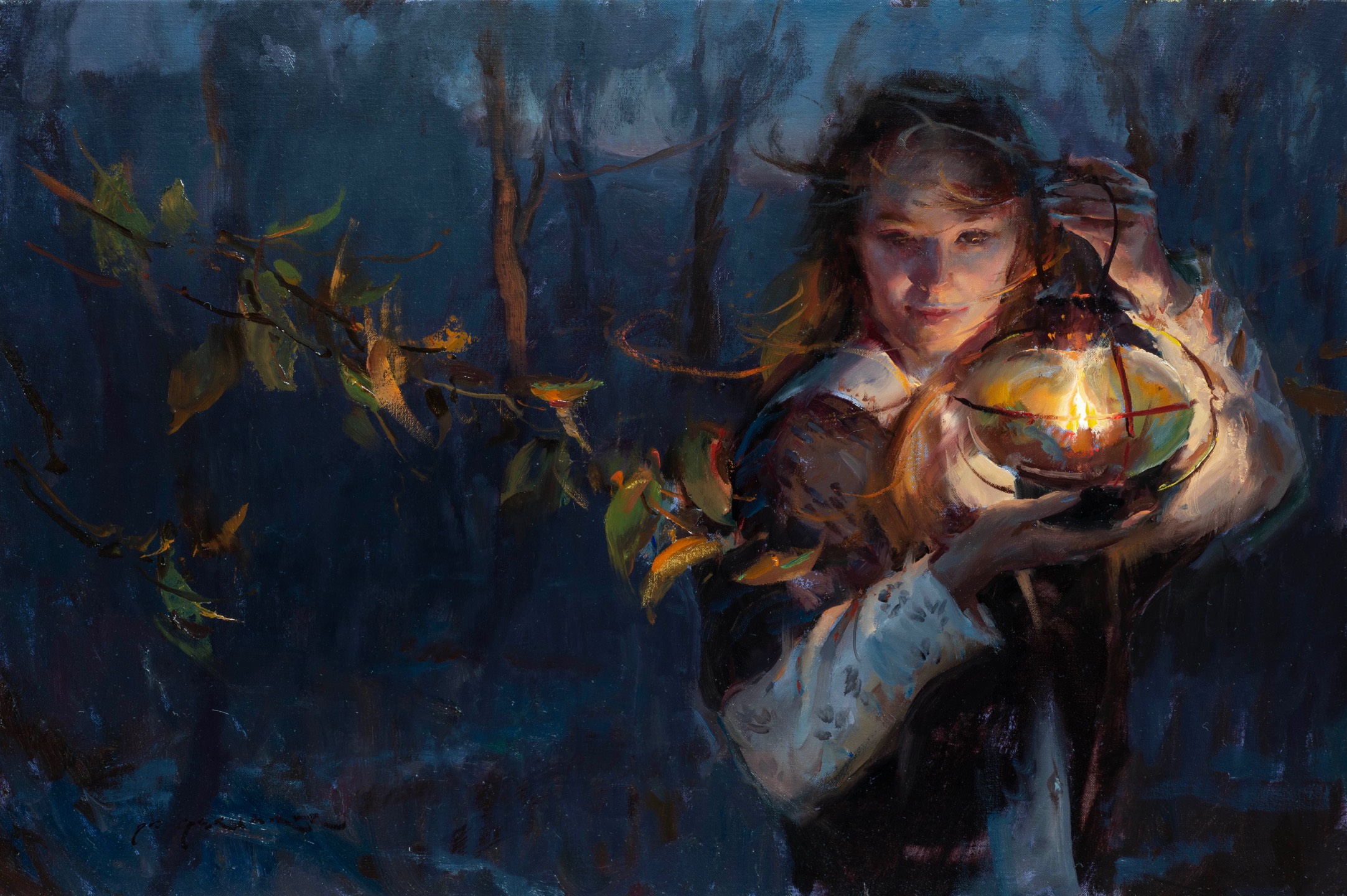
November 2025 — Nocturne: Problem Solving Strategies to Recreate Authentic Light
This lesson shares a process I often use to capture the essence of a subject when working in fleeting light or with moving subjects like children or animals.
When photographing subtle lighting situations like this one, the camera often records very little of what originally inspired us. In this demonstration, I’ll walk you through my entire approach to recreate the mood and beauty that the photograph alone can’t convey.
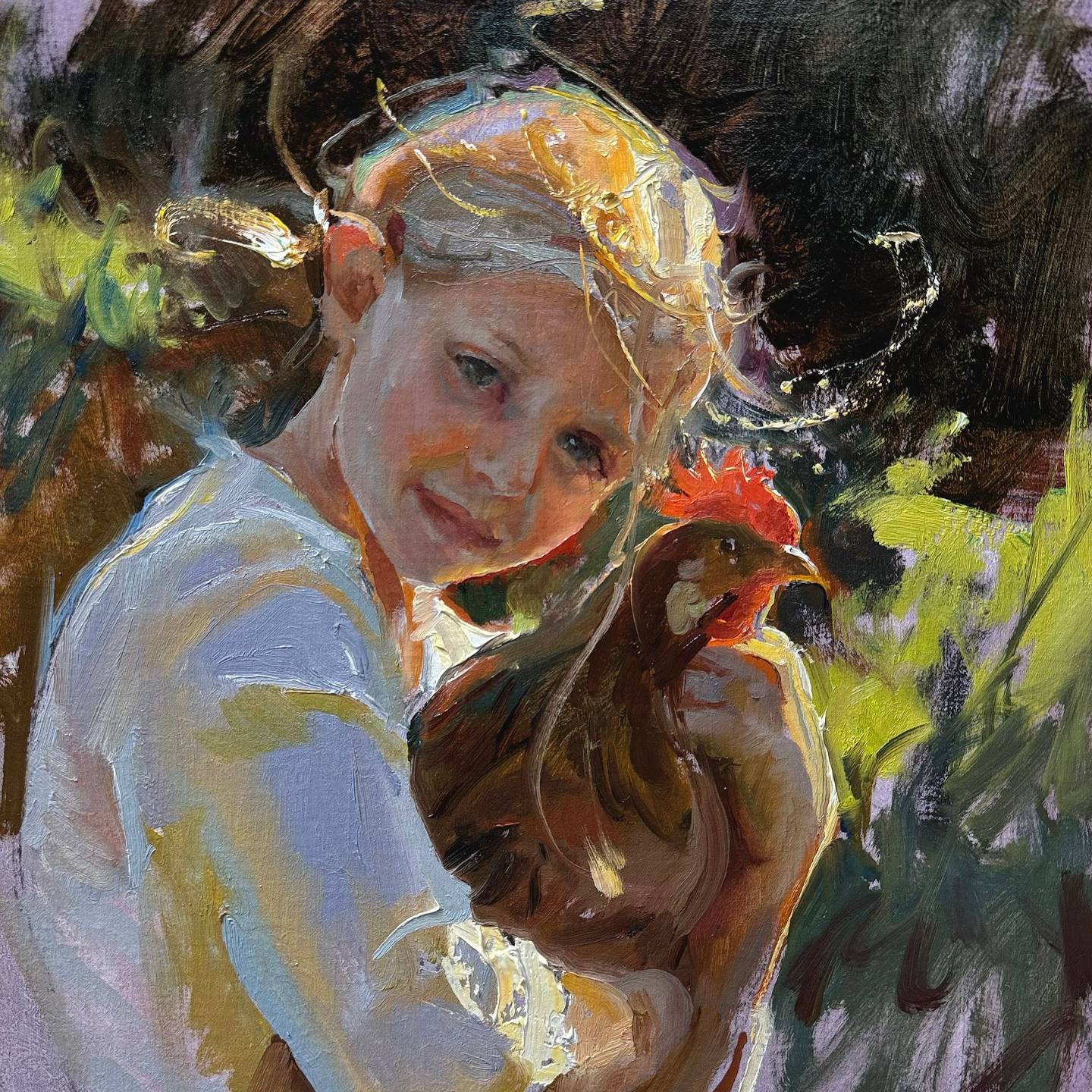
October 2025 — Webinar Capturing Innocence & Beauty
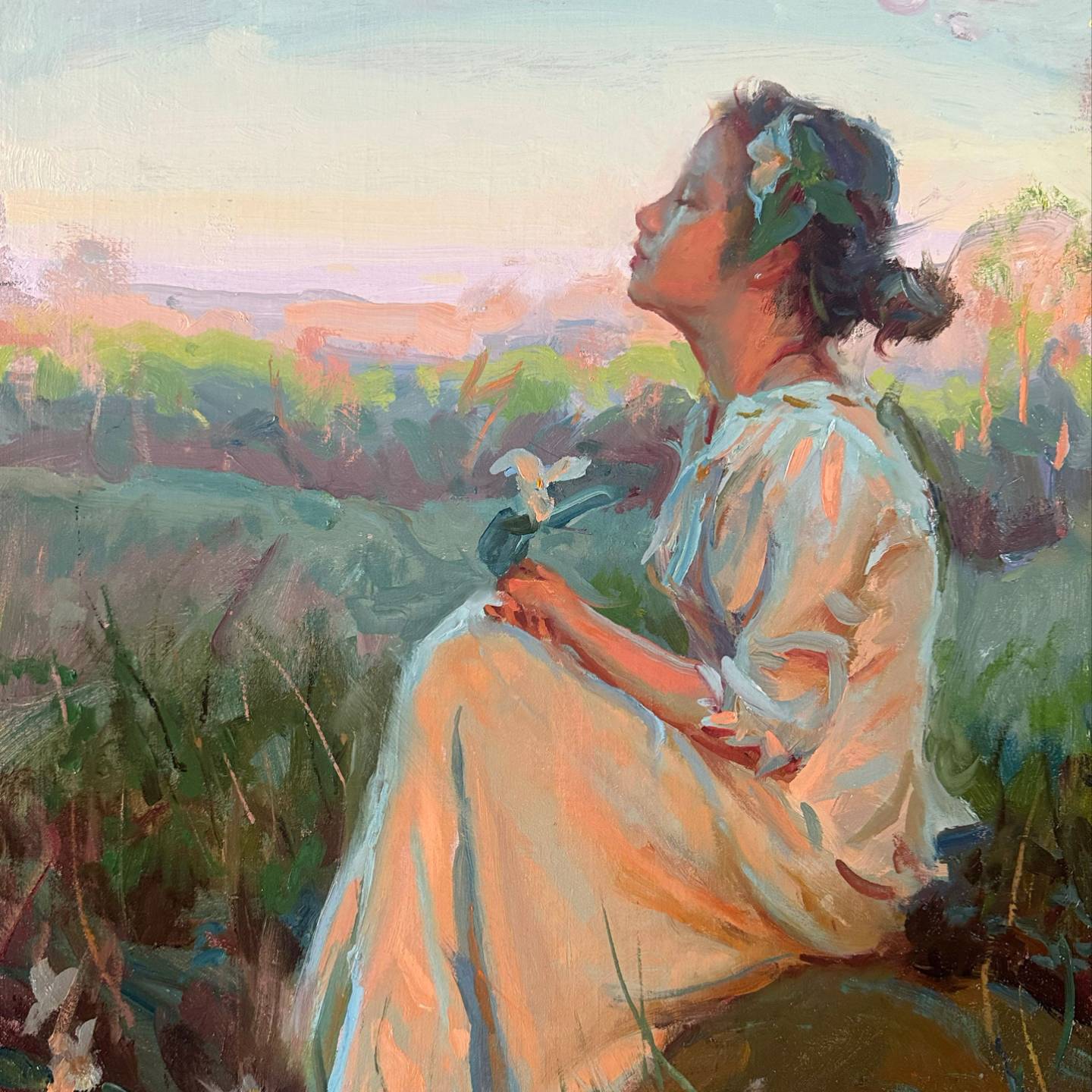
Follow along as this lesson captures the light and joy of a beautiful subject. Throughout the process, the key elements that bring the piece to life are thoughtfully unpacked—offering clear insight and guidance with every brushstroke.
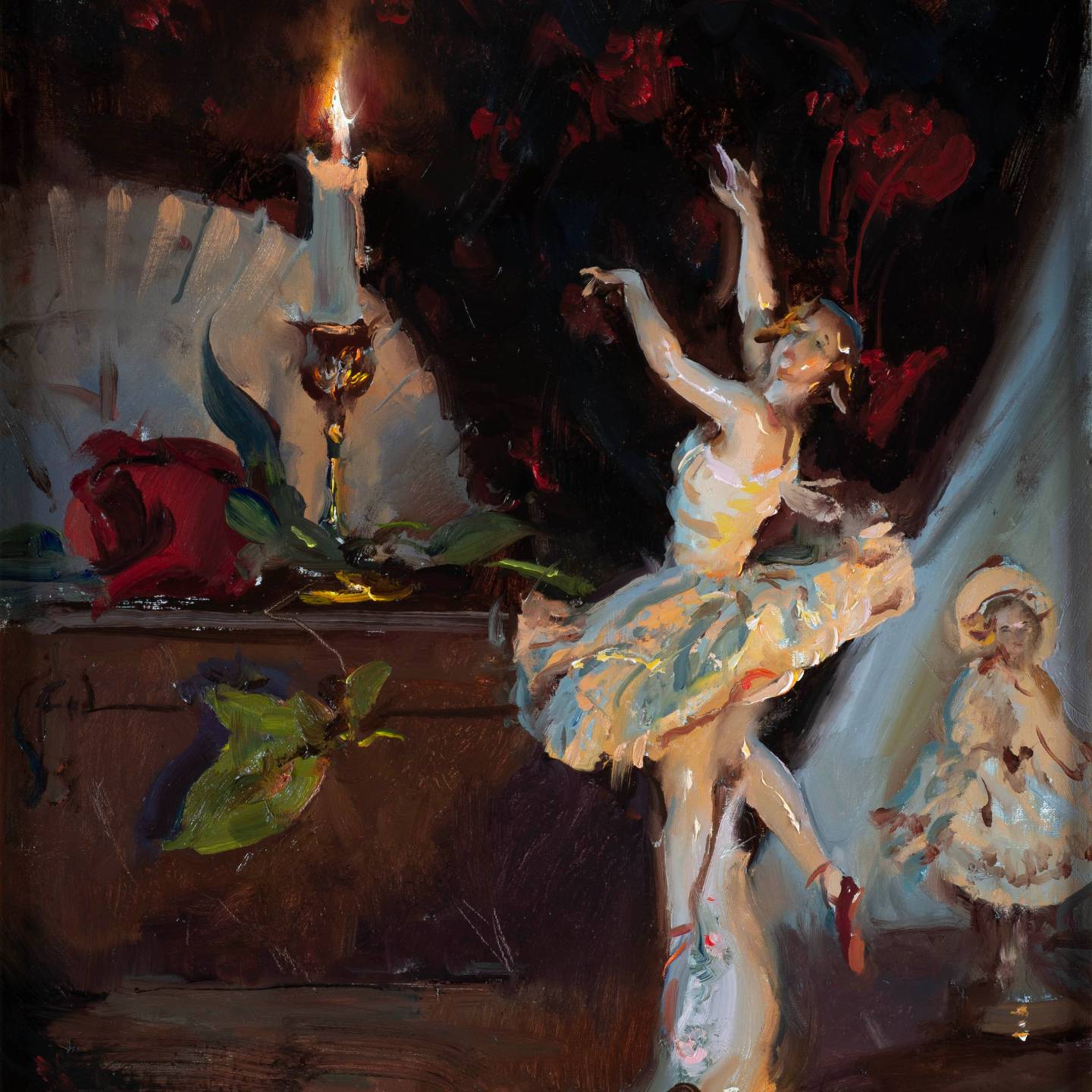
October 2025 — Learning From the Masters: Insights that Inspire Stronger Compositions
This lesson shares timeless principles for creating stronger compositions and was inspired by the teachings of Bill Parks, using Anders Zorn’s The Waltz as a guide. By observing and sketching simple arrangements of light and dark, it demonstrates how powerful design can grow from everyday moments.
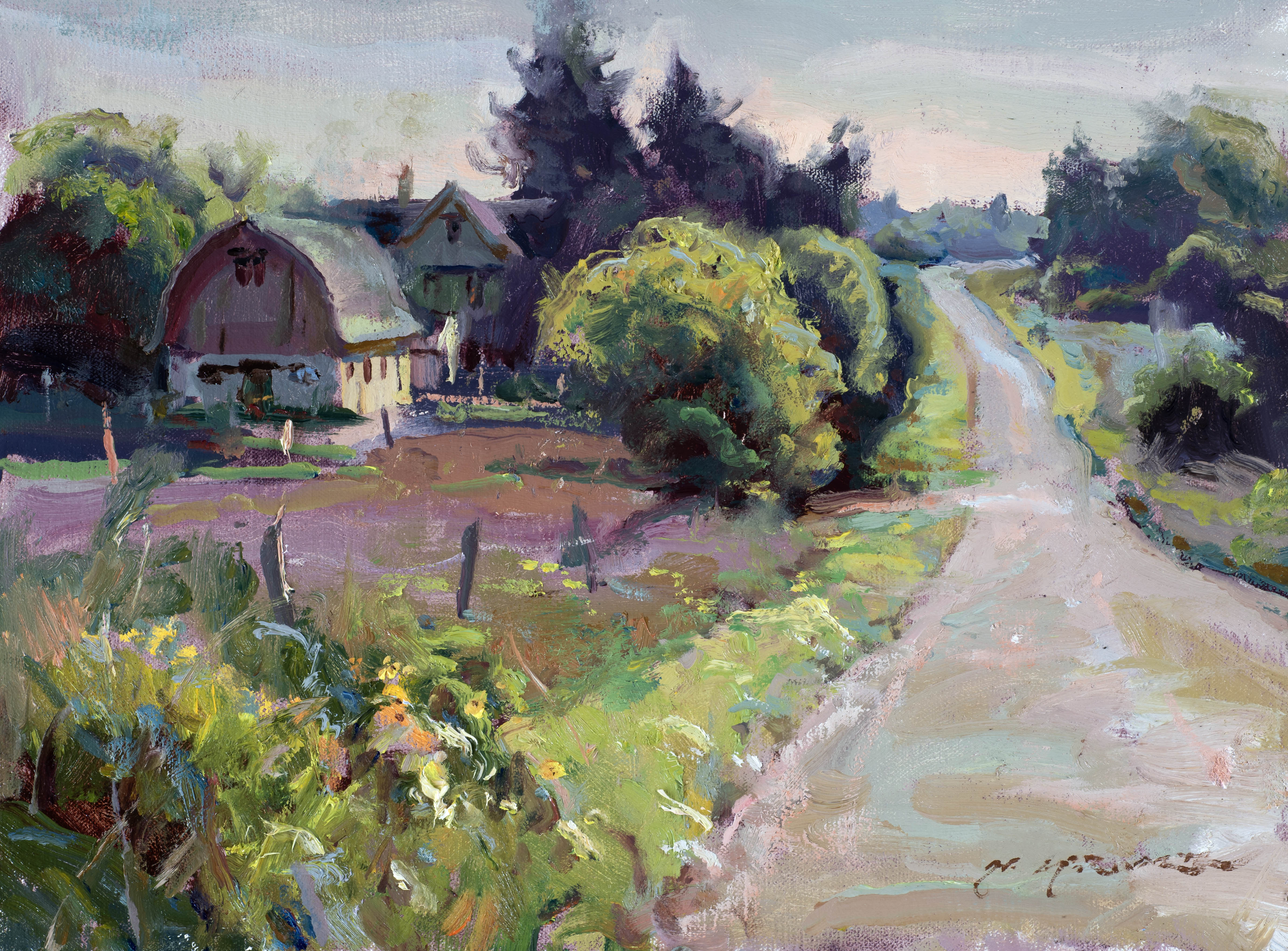
September 2025 — The Nature of Green: Understanding and Mastering a Complex Color
This lesson explores how to handle greens with subtlety and control so they don’t overpower a painting. By building warm tones underneath and layering cooler notes on top, it demonstrates how to create balanced, natural-looking greens—mixed from blues, yellows, and earth tones rather than using premade pigments.
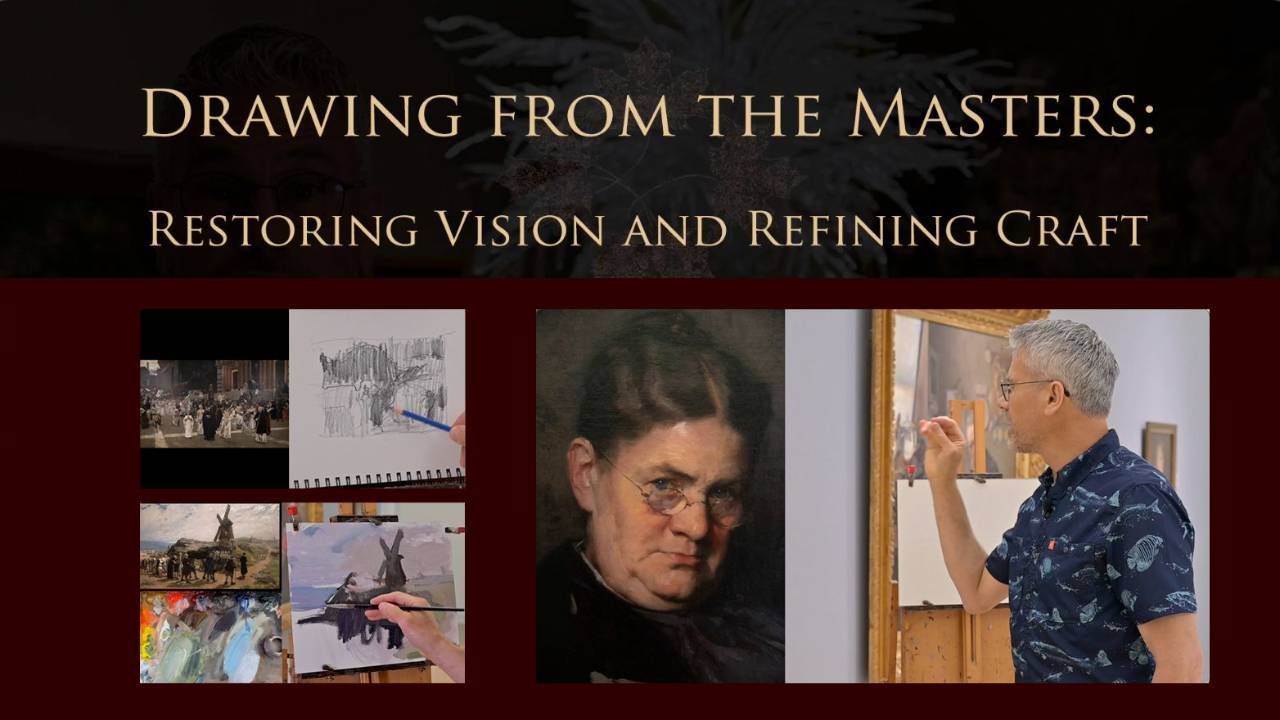
April 2025— Concept to Canvas: My Process in Developing a Large-Scale Studio Work
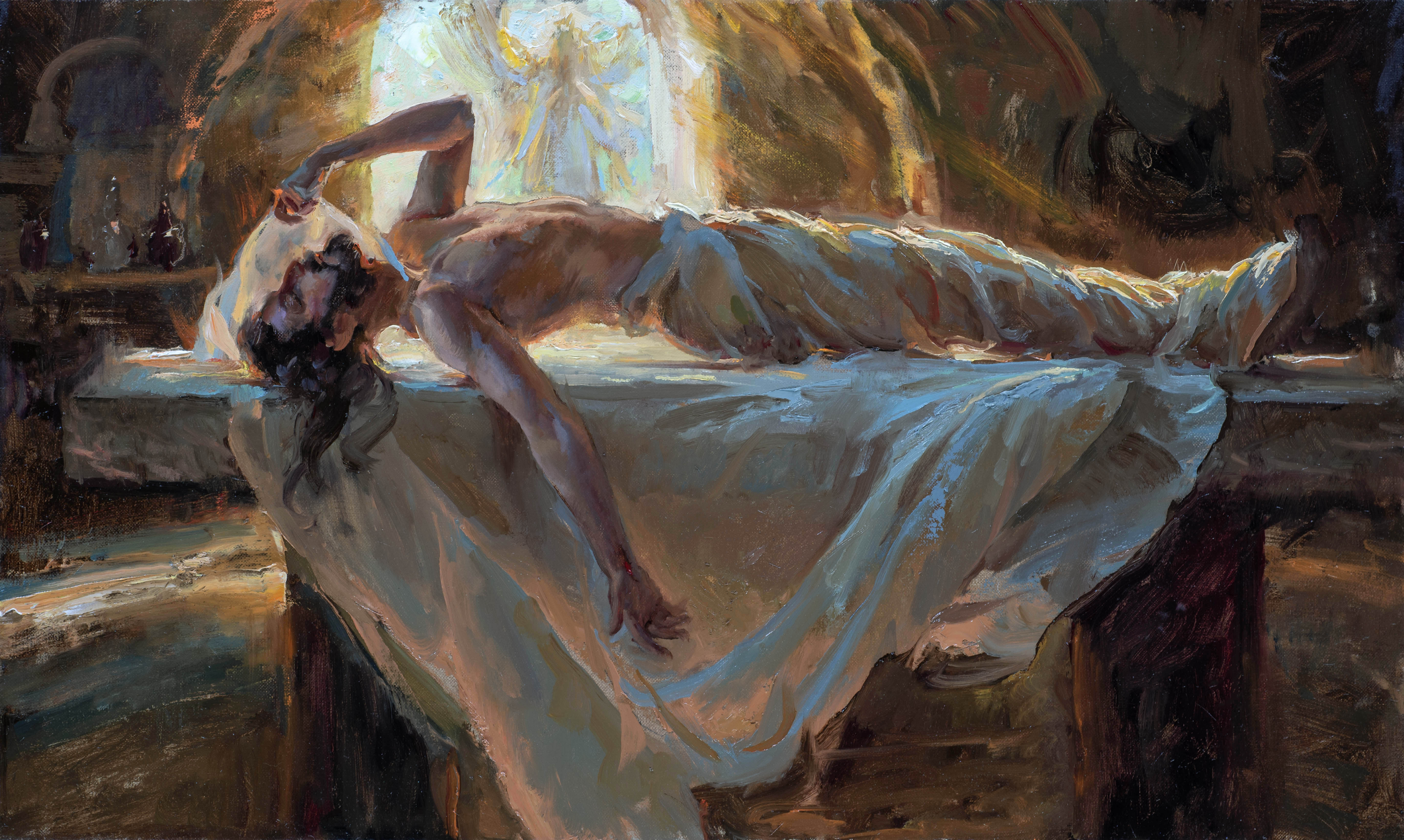
This lesson explores the process of developing a large-scale studio composition through thoughtful problem-solving and careful preparation. You’ll learn the importance of gathering reference from life, maintaining consistent light and perspective, creating color studies, and using small-scale studies to refine harmony, composition, and confidence before moving to a larger work.
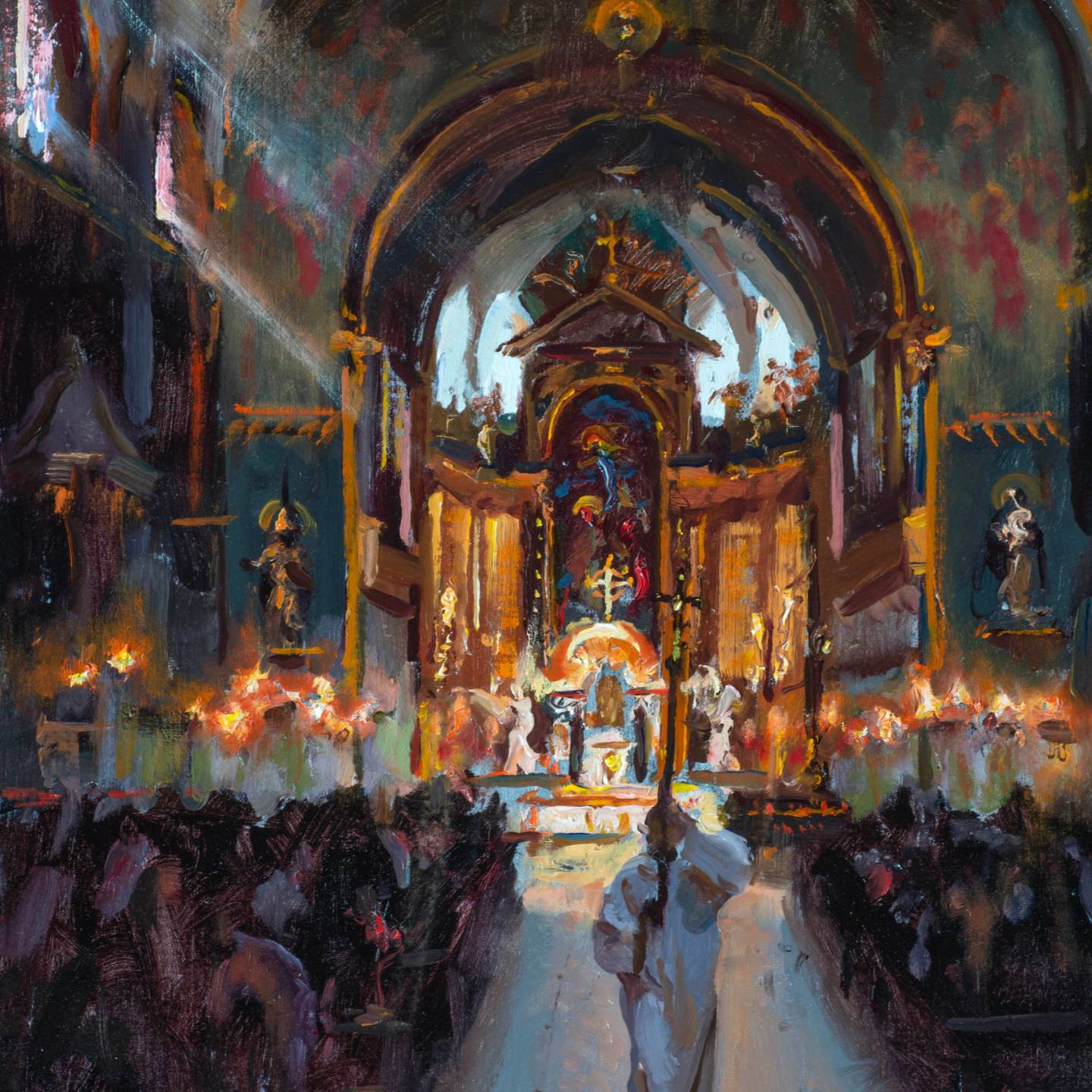
March 2025 — Building Blocks to Success Part 2: Values
This lesson focuses on achieving stronger value control by understanding how every shape relates to the overall value range and key of the subject. You’ll learn how to simplify values through squinting, establish clear light and dark benchmarks, and step back regularly to ensure all values work together harmoniously as a whole.
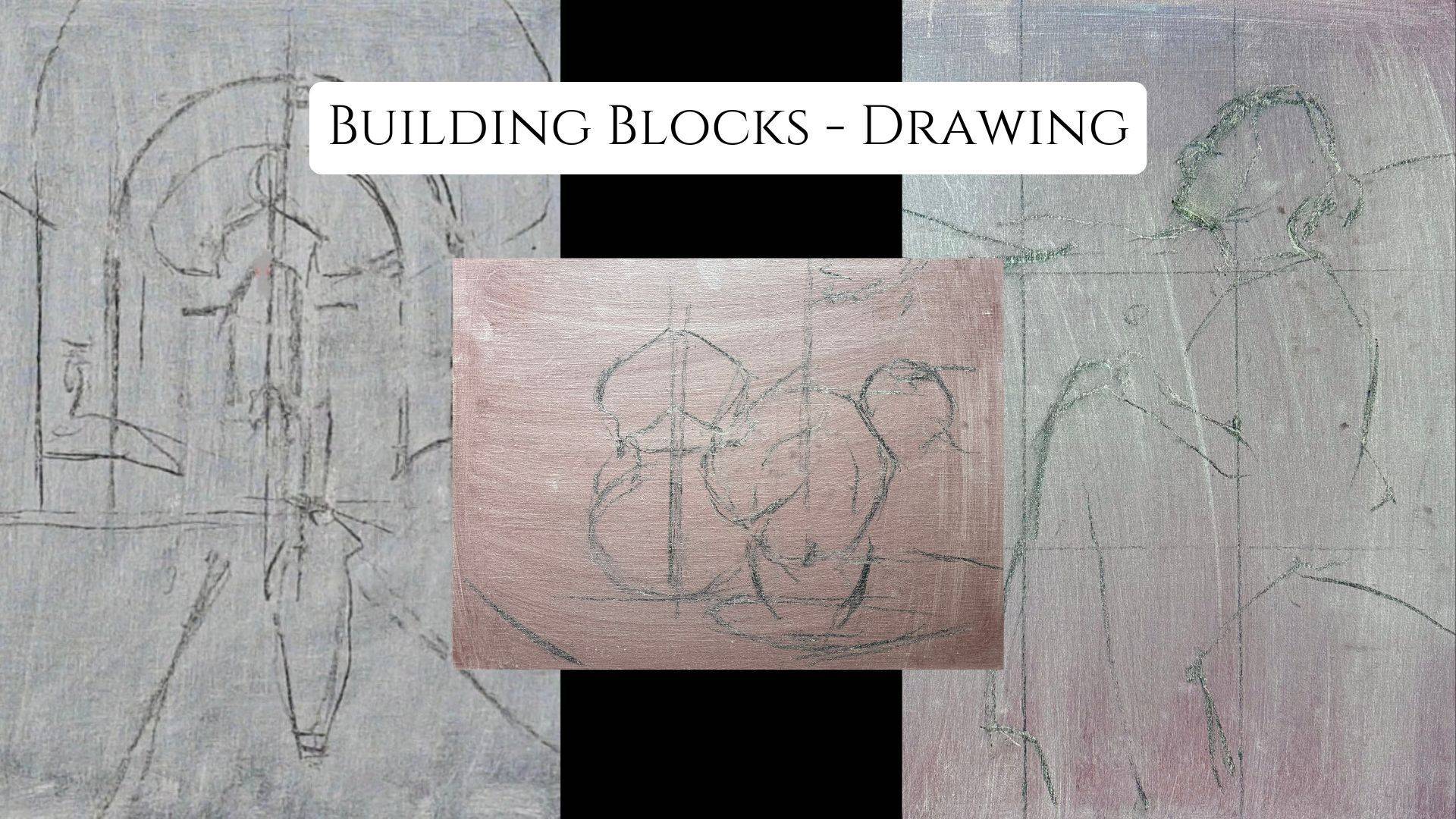
February 2025 — Building Blocks to Success Part 1: Drawing
This lesson provides a systematic approach to how I use drawing to begin each painting. Also included are tips on perspective, basic head construction, value control and measuring in drawing, among other useful tips.
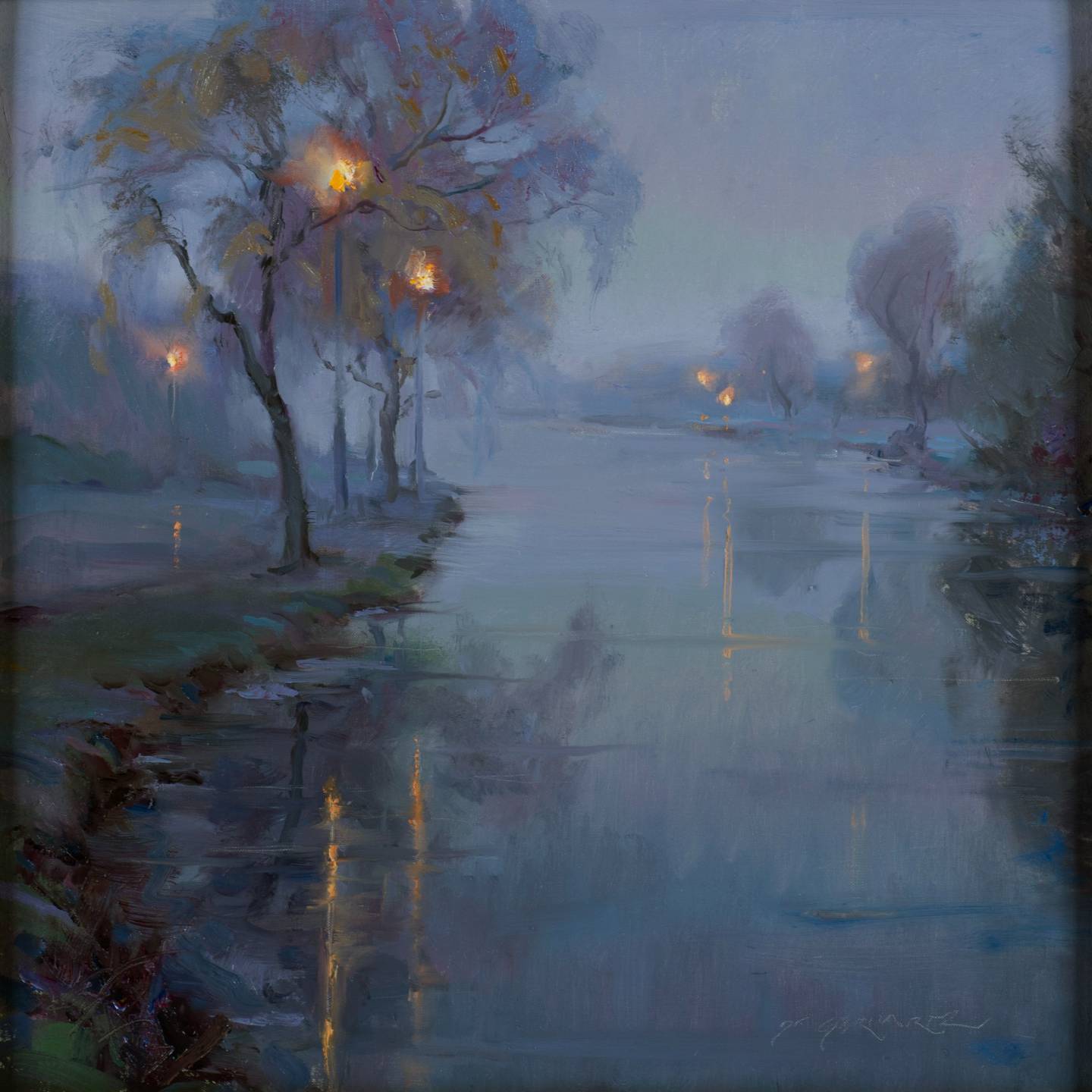
January 2025 — Daybreak on the Milwaukee Paint Along
This lesson explores the beauty and subtlety of soft light while reinforcing that the same fundamental principles apply to every lighting situation. You’ll learn to establish clear value and edge extremes, compare all decisions to those benchmarks, and approach your paintings with confidence, curiosity, and enjoyment.
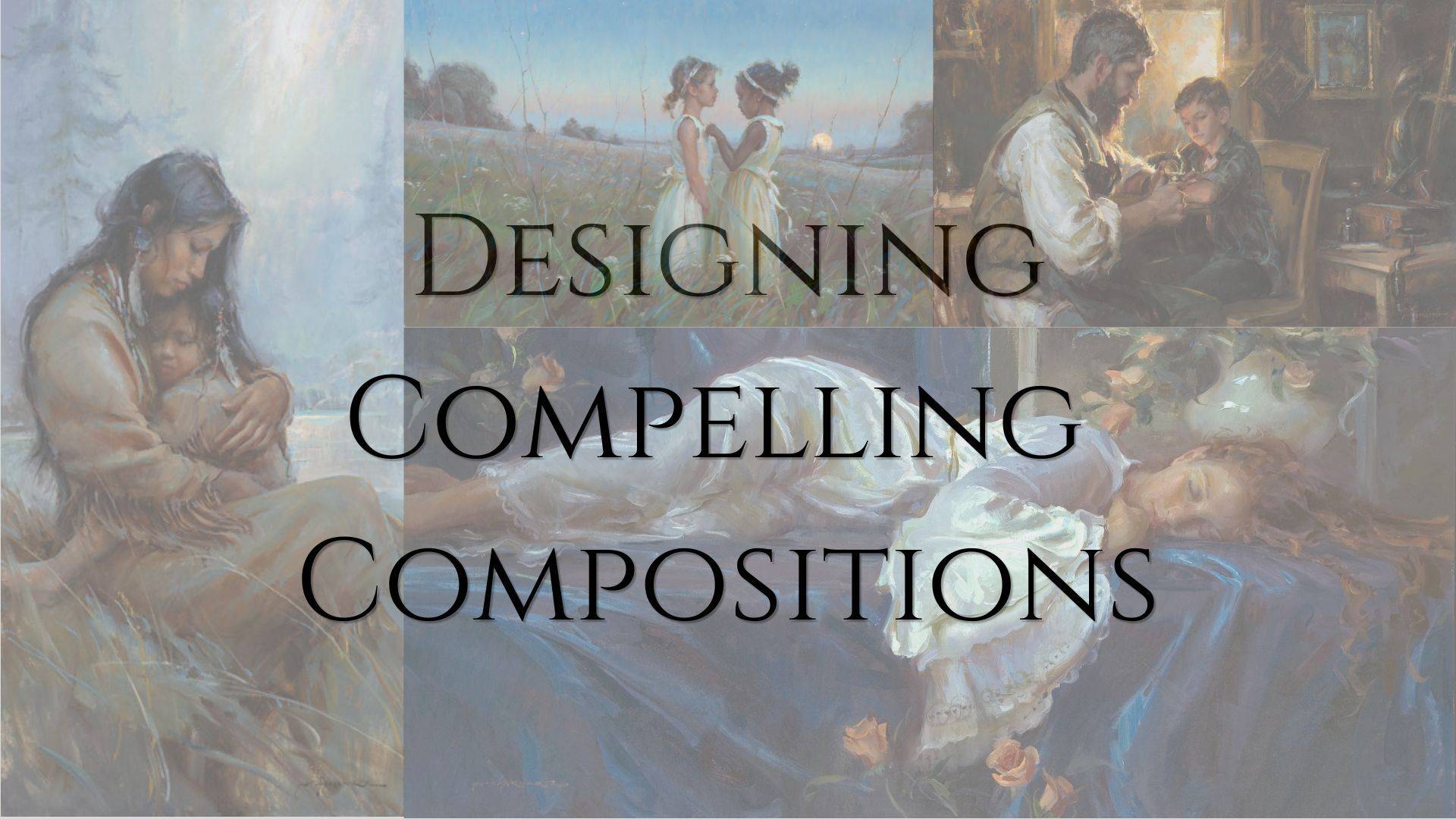
December 2024 — Designing Compelling Compositions
This tutorial explores the key strategies behind designing compelling compositions, helping you understand how to thoughtfully arrange elements, create visual harmony, and make stronger artistic decisions.
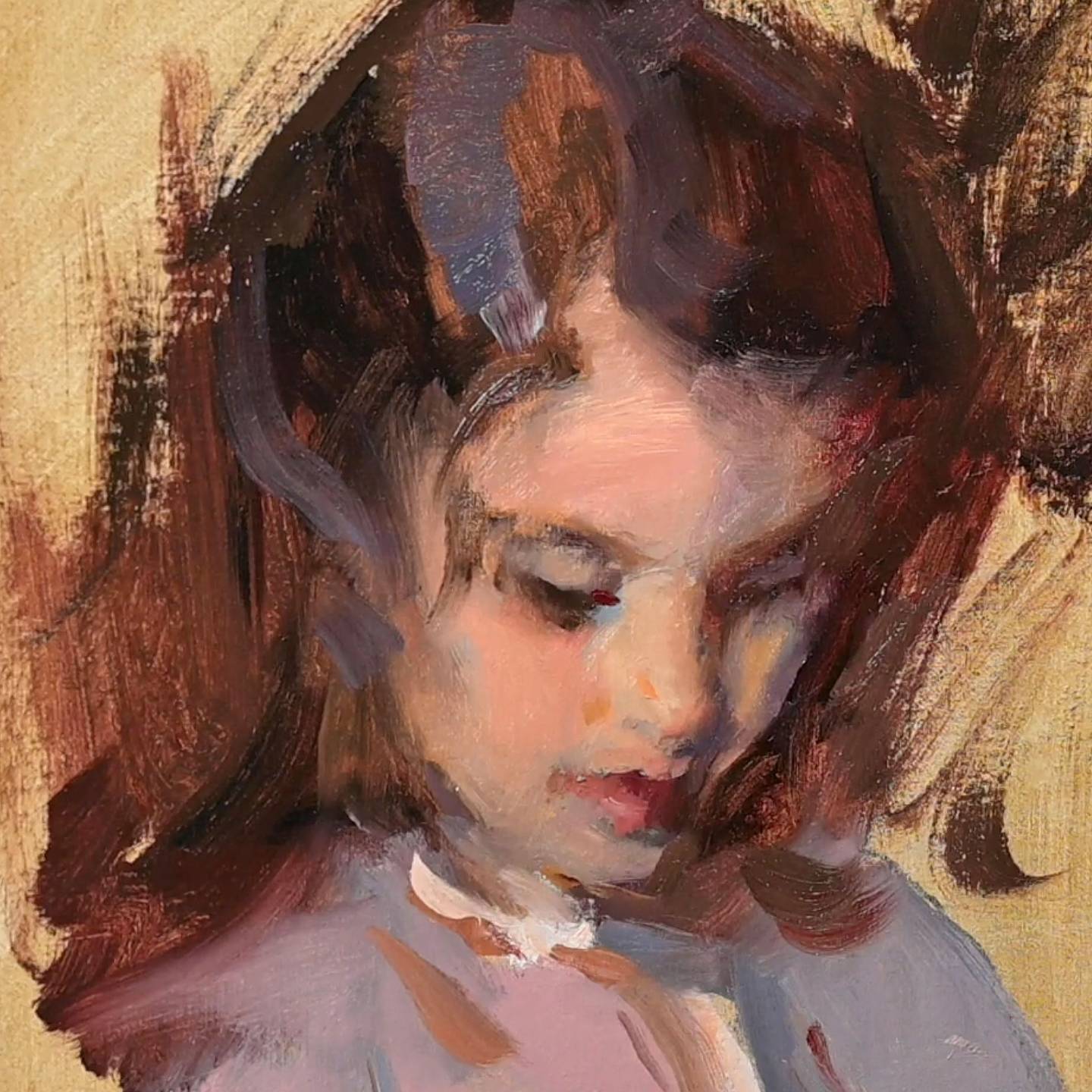
November 2025 Paint Along Lesson — Master Copy Cecelia Beaux's Dorothea and Francesca
This lesson invites you to explore the process of studying and painting a beautiful portrait by Cecelia Beaux while discovering key insights along the way. You’ll learn the importance of squinting, stepping back, and evaluating the overall harmony of your work to strengthen your understanding of the big picture.
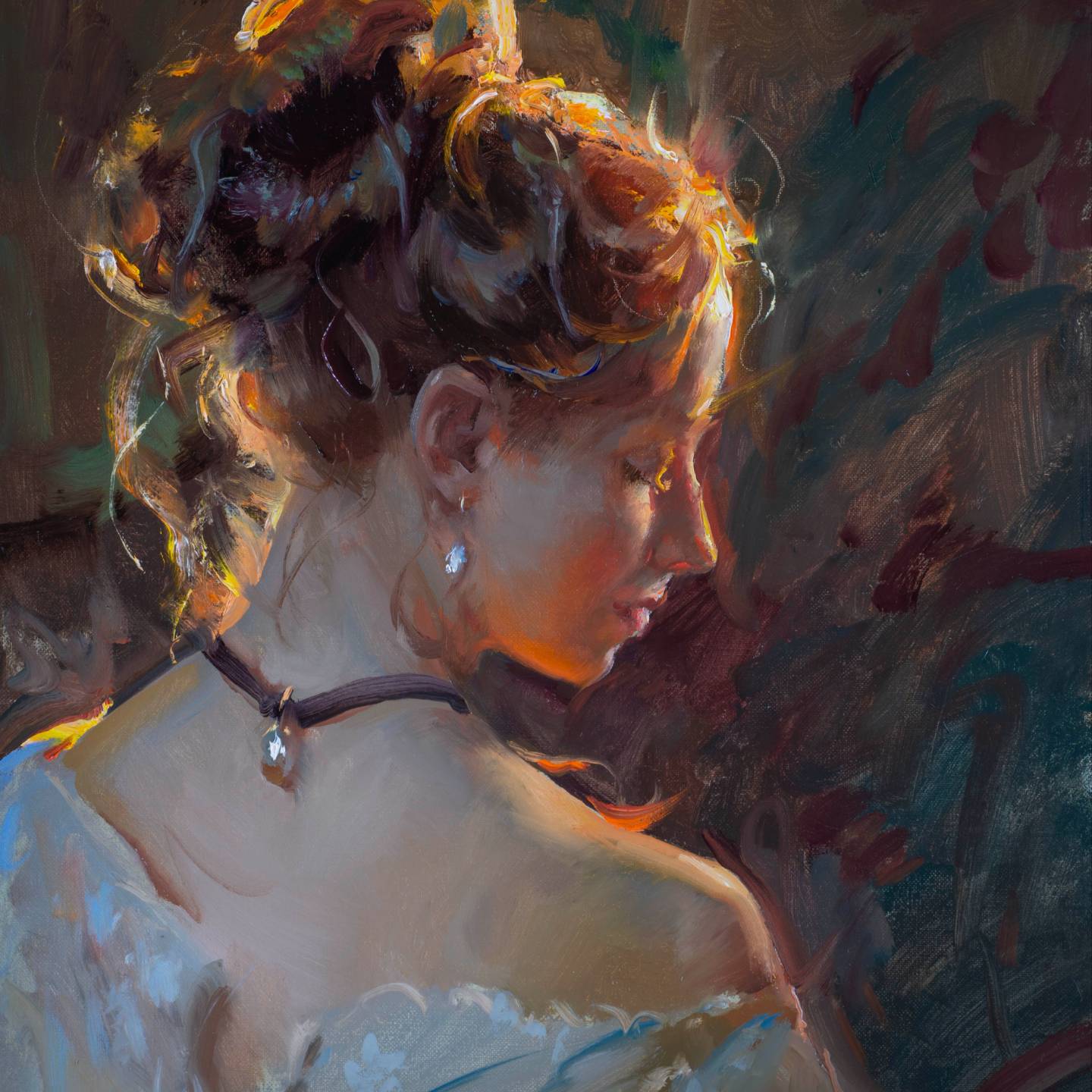
October 2024 Webinar — Creating Captivating Light
This webinar explores how disciplined value control, dynamic light, and color temperature work together to create more compelling and luminous paintings. You’ll learn techniques for strengthening composition, capturing form, and improving your ability to see and interpret edges and values through the deep squint method.
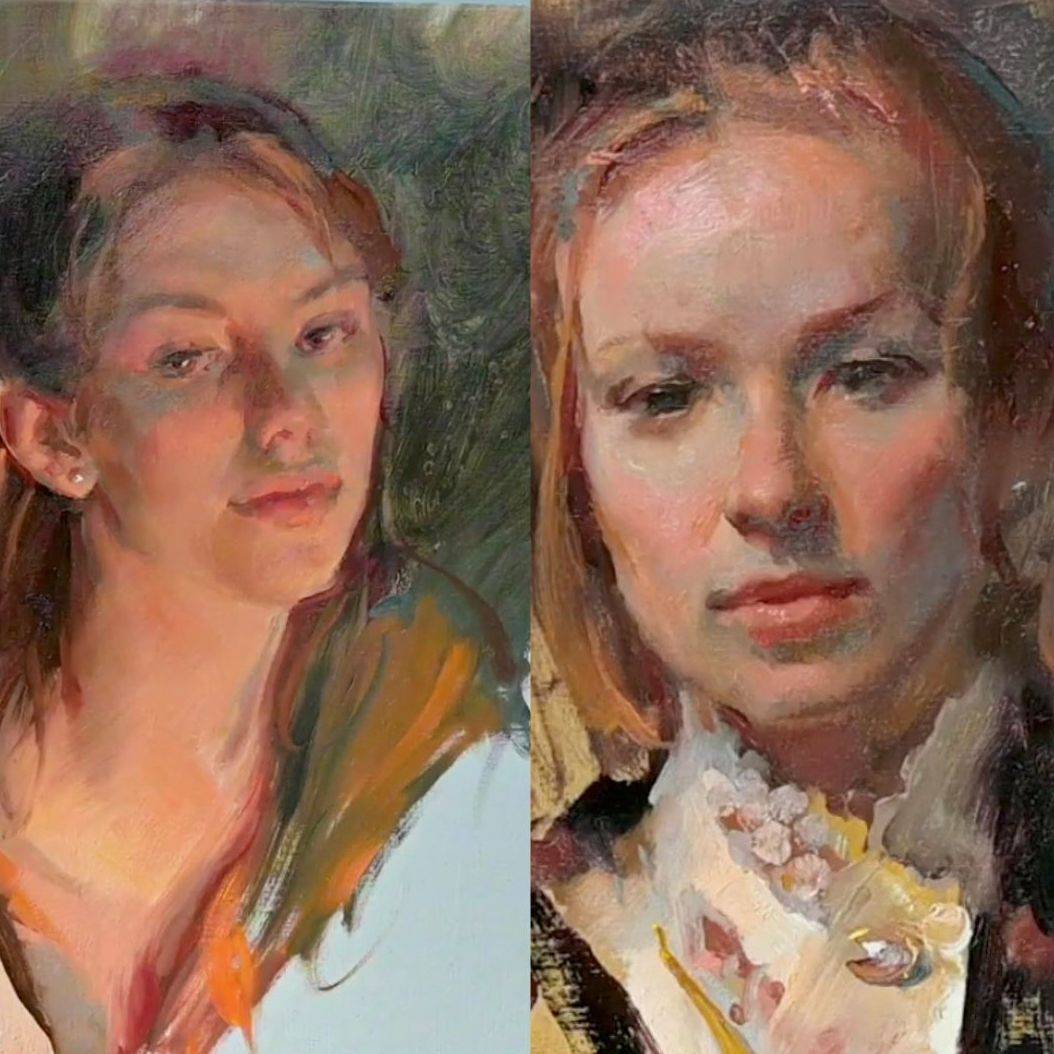
October 2024 — From Palette to Portrait: Mixing true to life flesh tones
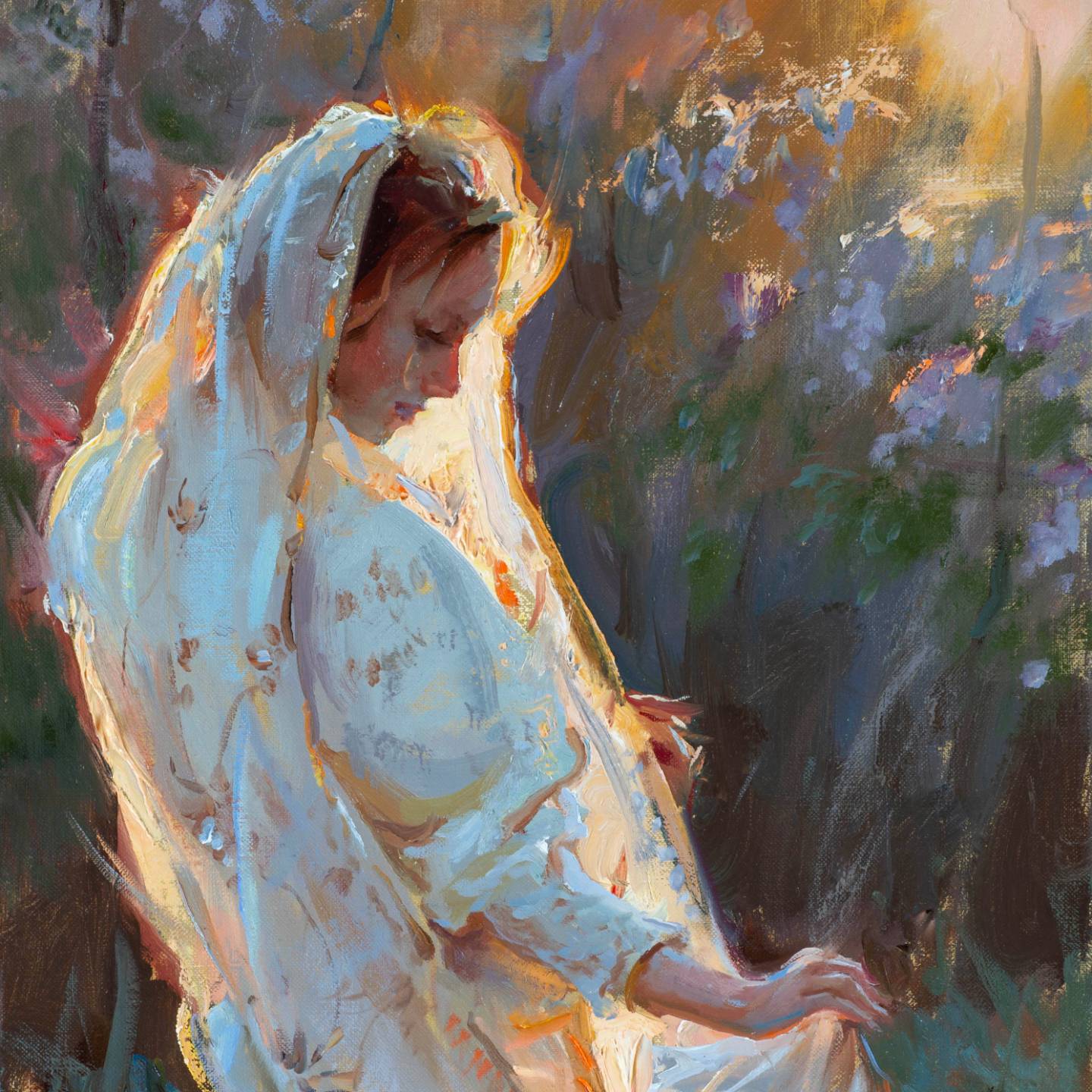
September 2024 — The Backlit Subject: Tools for Creating Dynamic Light
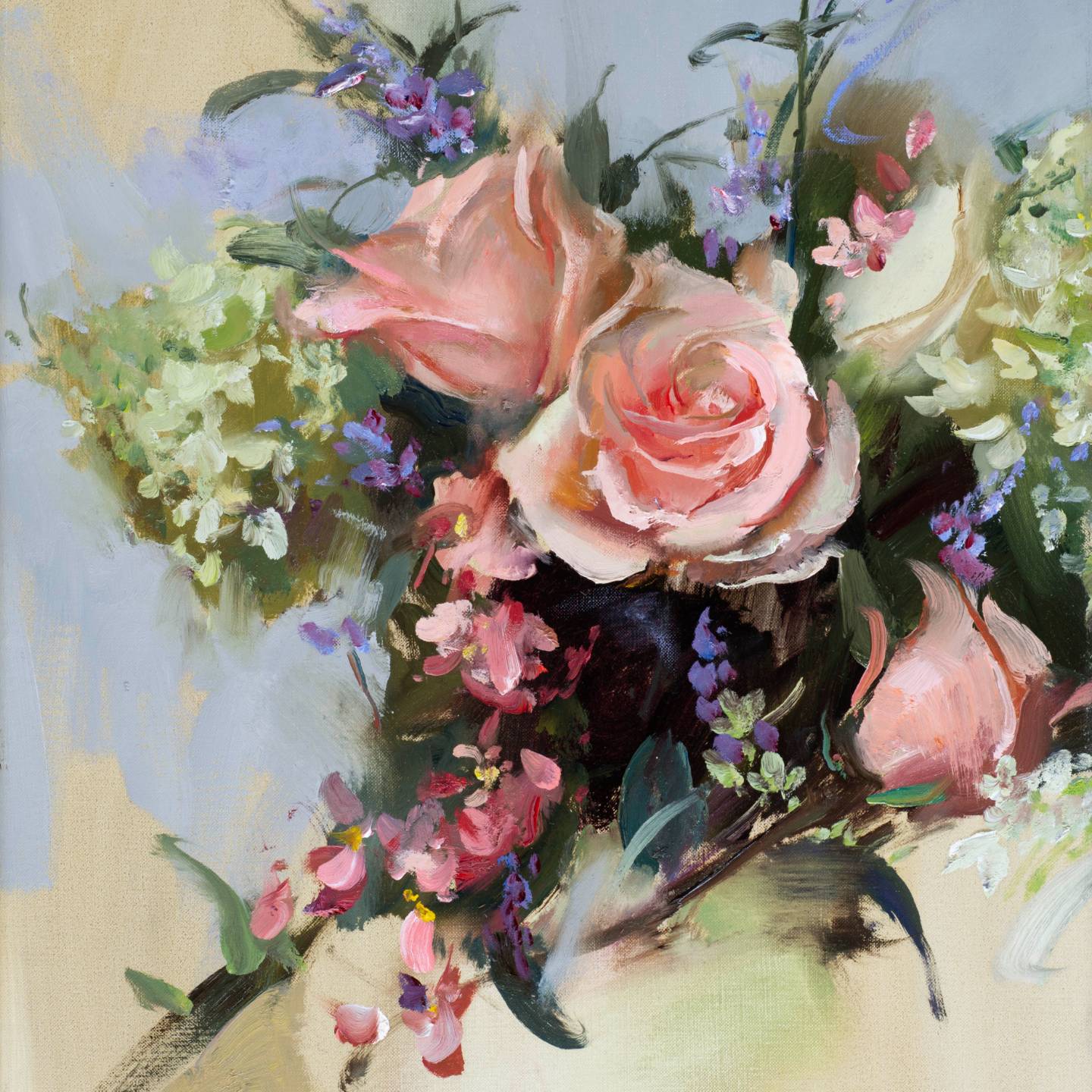
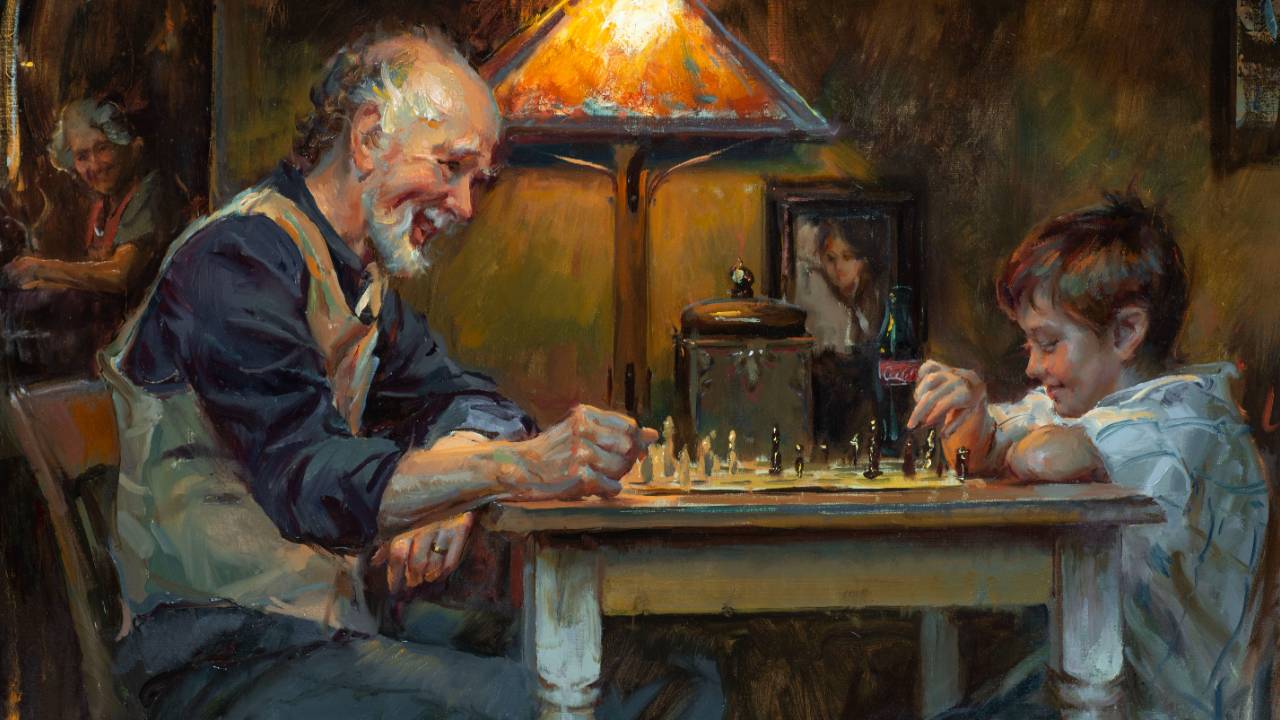
July 2024 - The Imperative Value of Creating a Color Study when Working with Photos
Creating a color study before painting helps you accurately capture light, color relationships, and the spirit of the subject, resulting in more confident, vibrant, and lifelike final work. You will see the beginning color sketch and the finished piece on separate videos.
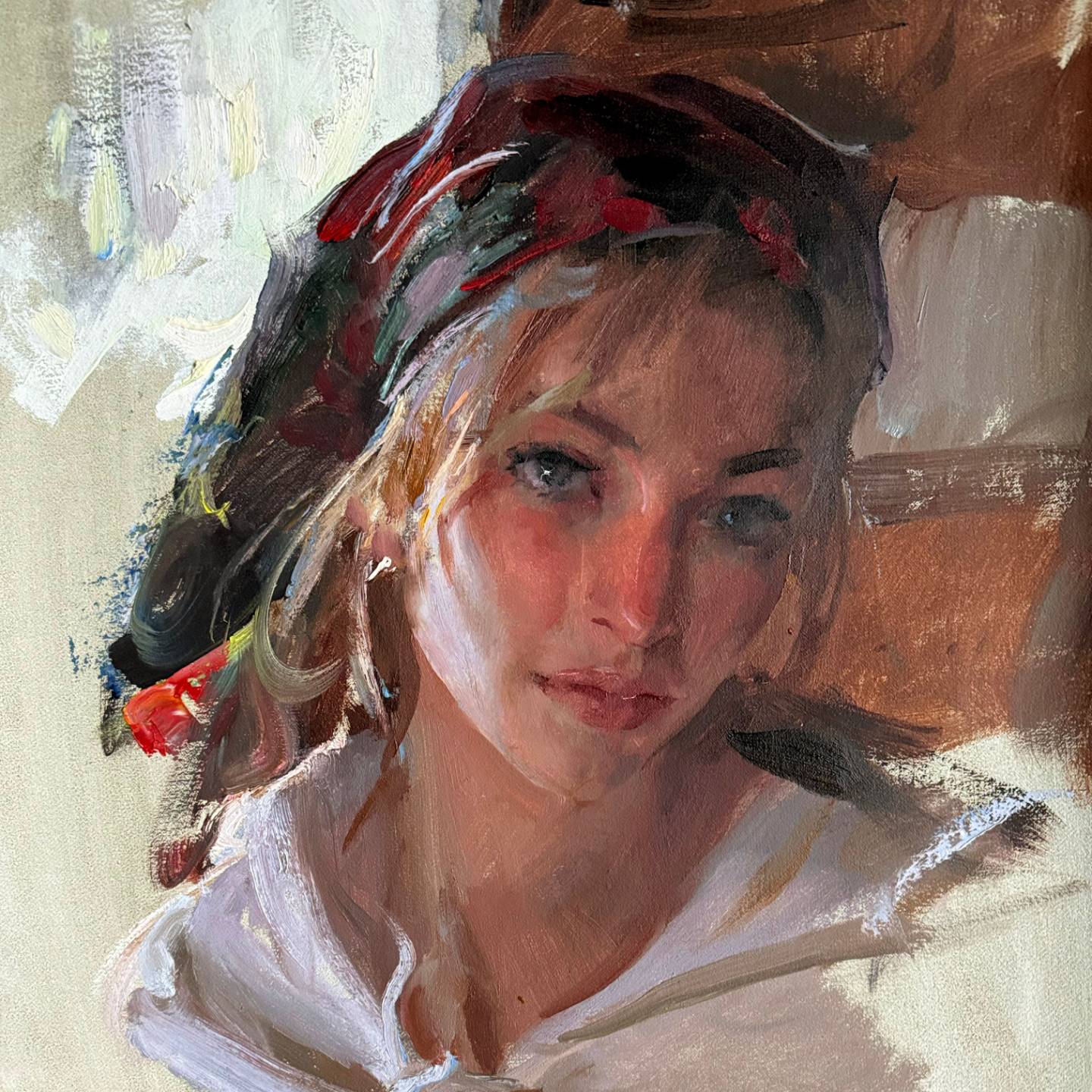
June 2024 #1 Value Control — Developing and holding the hierarchy of values.
This lesson explores the importance of developing a disciplined approach to value control and organizing your thinking to achieve more accurate results. Through masterwork examples, you’ll learn how simplifying and grouping lights and darks can create paintings that are both powerful and sensitive.
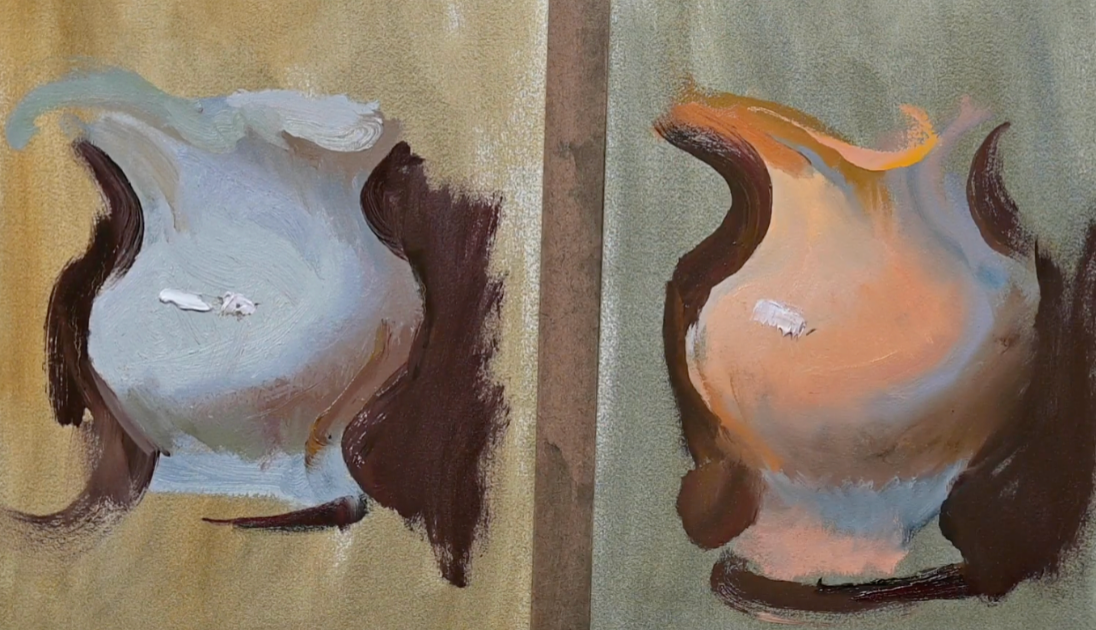
June 2024 #2 — Seeing beyond the Warm Light / Cool Shadow Scenario
Looking for and finding the "Cool Sandwich"
This lesson explores a deeper understanding of color temperature beyond the traditional warm light and cool shadow approach. You’ll learn how adding subtle warm and cool relationships throughout the painting can create greater richness, variety, and a more accurate perception of light.
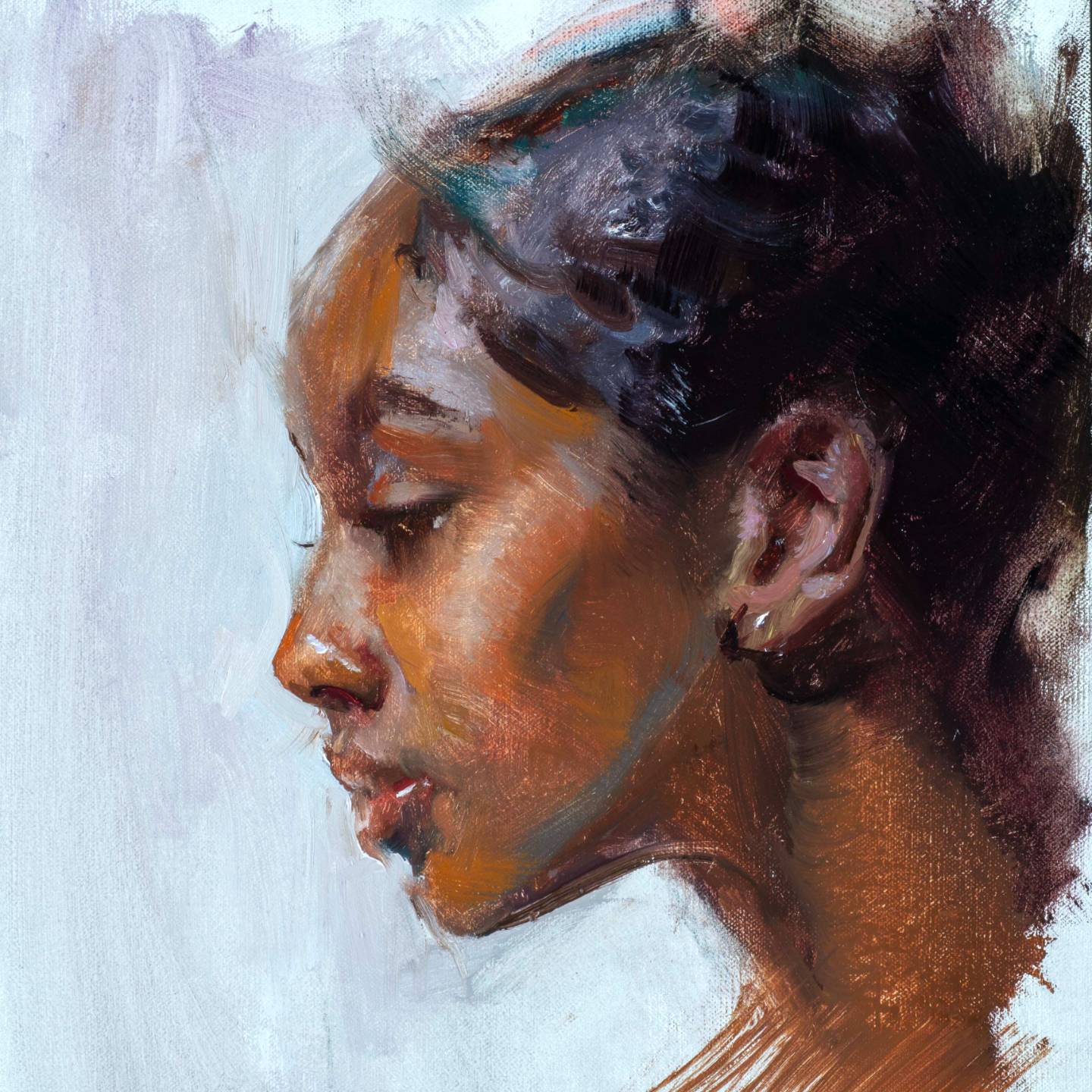
May 2024 — The keys to seeing accurate Edge Relationships and why it matters
This lesson explores the expressive power of edgework and how thoughtful variation can add poetry, beauty, and mystery to a painting. You’ll learn how to create more engaging peripheral edges that invite the viewer in and bring greater depth, interest, and emotion to your work.